
عاجل
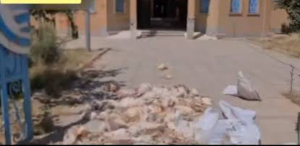
تمتلك دولة الاحواز المحتلة من التربة الخصبة والمزارع الخضراء الغناء وآبار المياه والانهار ما يؤهلها لأن تكون بيئة صالحة لكافة الاستثمارات، بل يجعلها وجهة رئيسية لراغبي الاستثمار سواء في الزراعة او تربية الدواجن او غيرها.
ولكن الاحتلال الفارسي العنصري كانت له آراء أخرى، اذ عمد الى تغيير شكل الاحواز المحتلة حتى بات أهلها ينفرون من الحياة بها ويفضلون الهجرة منها وذلك بسبب سياسات الاحتلال الداعمة للتغيير الديموغرافي للبلاد.
فعلى الرغم من وجود الكثير من انهار المياه العذبة والصالحة للشرب، إلا أن اصحاب مزارع الدواجن يعانون من نقص المياه وهو ما ادى الى تلف الدواجن وتكبدهم خسائر فادحة جراء سياسة الاحتلال الفارسي العنصري.
ويقول بعض اصحاب المزارع ان اسعار الاعلاف في ارتفاع مستمر، بالاضافة الى كساد حركة البيع والشراء نتيجة ارتفاع الاسعار بشكل كبير للغاية، وبالتالي انخفضت القدرة الشرائية للمواطنين وهو ما أثر سلبا على قطاع تربية الدواجن بالاحواز العربية المحتلة.
إلا أن اصحاب المزارع كانوا على موعد مع مشكلة جديدة وهي نقص المياه التى يحتاجونها في عملية تربية الدواجن، بالاضافة الى الانقطاع المتكرر للكهرباء في ظل ارتفاع درجات الحرارة أثر كل ذلك سلبا على القطاع الداجني بالاحواز المحتلة.
وقام الكثير من اصحاب مزارع الدواجن بإلقاء الدواجن التالفة جراء انقطاع الكهرباء ونقص المياه في الطرقات اعتراضا على سياسة الاحتلال الفارسي العنصرية تجاه الشعب العربي الاحوازي.
وتوقع خبراء اقتصاديون ان هذه السياسة العنصرية من قبل الاحتلال الفارسي تجاه ابناء الشعب العربي الاحوازي ستؤدي في نهاية المطاف الى ارتفاع اسعار الدواجن اكثر من ذي قبل نتيجة قلة المعروض منها.
وعلى الغرم من كل ما سبق إلا أن أزمة الانقطاع المتكرر للكهرباء طوال ساعات النهار أدى إلى خسائر كبيرة في كافة القطاعات في عموم دولة الاحواز العربية المحتلة، وحتى الان لاتوجد أسباب واضحة المعالم حول هذا الانقطاع المتكرر.
وتشير التقديرات إلى أن الحكومة في جغرافيا ايران السياسية لم تعد قادرة على حل تلك الازمة والتى أثرت على كثير من المصالح وسببت حالة من الغضب العارمة بين المواطنين.
20/05/2025
#المركز_الإعلامي_لجبهة_
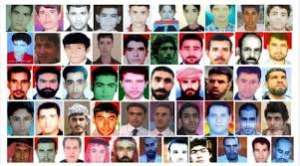
يوم الشهيد الأحوازي: خلود الدم، وصوت الأرض
أيار 21, 2025
يوم الشهيد الأحوازي: خلود الدم، وصوت الأرض
في تاريخ الشعوب، هناك أيام لا تُنسى… أيام لا تُؤرّخ بالحبر بل تُنقش بالدم، ويوم الشهيد الأحوازي هو أحد تلك الأيام التي لا يطويها النسيان ولا يسكُتها الزمن.
هو يوم ليس كغيره، يوم ينهض فيه الضمير الأحوازي من قلب الجراح، ليقول للعالم: نحن شعبٌ لا يموت، لأن شهداءنا أحياء.
الشهيد الأحوازي… ليس جسدًا يُدفن، بل قضية تُبعث
الشهيد في الأحواز لا يُودَّع، بل يُورَّث، يُحمل كراية، ويُسار خلفه كطريق. هو ابن الأرض التي رفضت الركوع، ووقف بوجه الطغيان الإيراني منذ أن دنّسها المحتل عام 1925، وظلّ يقاوم بكل أشكال النضال: بالكلمة، بالبندقية، وبالدم.
إنه لا يموت، لأن من يُقتل من أجل الهوية لا يُغلب، ومن يسقط من أجل الأرض لا يُنسى.
لماذا نُحيي هذا اليوم؟
لأننا نُدرك أن الأمم التي تنسى شهداءها تموت واقفة. نُحيي هذا اليوم:
لنُجدّد العهد مع دمائنا، لا نبيع، لا نخون، لا نضعف.
• لنُعلّم أطفالنا أن أجدادهم قاتلوا لكي لا يُنسى اسم الأحواز، ولكي لا تُغتال اللغة، ولا تُطمس العقيدة.
• لنُثبت للعالم أن الأحواز ليست قضية منسية، بل جرح حيّ، ونضال مستمر، وصوت سيعلو مهما أُسكت.
إلى الشهيد… لك المجد
إليك، يا من لم تركع، ولم تساوم، ولم تخن. إليك يا من علّمتنا أن الوقوف في وجه الظلم، ولو وحدك، أعظم من حياة تُعاش في الذل.
كلما ظنوا أنهم أخمدوا صوتك، انبثق من رمادك ألف صوت.
كلما شنقوك، أنبتت الأحواز ألف مقاوم.
كلما قمعوك، ارتفعت راية، وتقدّم قلب لا يخاف الموت.
كلمة أخيرة:
يوم الشهيد الأحوازي ليس ذكرى، بل انتفاضة متجددة.
إنه جرس يُقرع في ضمير كل حر: أن الأحواز لم تسكت، ولن تسكت.
فمن سار على درب الشهداء، لا يعرف التراجع.
علي شريفي.
المجد للشهداء… والخلود للأحواز.
"High child mortality rates in Al_ Ahwaz"
أيار 20, 2025
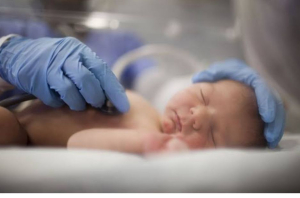
In Iran's political geography, children face numerous environmental problems that impact their normal lives, and may even lead to their loss of life as a result of the surrounding environment and the pollutants that now fill their world.
In a statement, Iranian Health Minister Mohammad Reza Zafarqandi admitted that Iran's political geography causes approximately 50,000 children to lose their lives annually due to the pollutants surrounding them.
Zafarqandi pointed out that the pollution surrounding children causes them to suffer from many chest and respiratory diseases, and thus they may lose their lives as a result of these environmental pollutants, especially in the southern regions.
Zafar Qandi emphasized that high levels of air pollution not only affect the surrounding environment, but are also an indicator of a large number of children and the elderly suffering from respiratory diseases that can lead to death.
In occupied Ahwaz, daily weather reports indicate high levels of air pollution due to exhaust fumes from oil refineries and petrochemical plants, as well as weak environmental oversight of these factories and refineries.
It is estimated that some Ahwazi cities are turning red due to high levels of air pollution. Therefore, all precautions must be taken to prevent the rise in infection and death rates from chest and respiratory diseases.
Reports from hospitals in Ahwaz, the capital, indicate that the number of people suffering from chest diseases who visit hospitals on a regular basis exceeds 2,000 people daily, the majority of whom are children.
The increasing incidence of chest and respiratory diseases among children in occupied Ahwaz has become a major problem in light of the poor medical services and shortage of medicines. This may force families to travel to other provinces within Iran's political geography. Consequently, those infected may be exposed to more complications due to the long hours of travel.
The air pollution crisis in occupied Ahwaz is a major problem. Some environmental activists assert that this crisis is artificially created by the occupation authorities, who fail to regularly monitor oil refineries and petrochemical plants.
Evidence of this is that when Iranian President Masoud Pezeshkian visited Ahwaz a few months ago, the sky was clear, the atmosphere was bright, and there were no exhaust fumes or environmental problems. As soon as he left Ahwaz, the situation returned to normal, reflecting the racist policies of the Persian occupation against the Ahwazi Arab people.
14/5/2025
media center of the Ahwazi Democratic Front (ADF)
translated by: Abdolreza Savari
تفاقم الاوضاع الطبية بمستشفيات الاحواز العاصمة
أيار 16, 2025
لايزال اهمال سلطات الاحتلال الفارسي العنصري تجاه ابناء الشعب العربي الاحوازي مستمرا، حتى بلغ الامر الى المستشفيات، حيث لم يعد هناك مجالا خاليا من الفساد والاهمال.
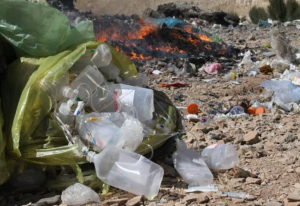
تداولت وسائل التواصل الاجتماعي المختلفة العديد من المقاطع المصورة التى تشير الى حجم الاهمال والذي يبرز اشتعال الحرائق بأكوام القمامة بمحيط احدى مستشفيات مدينة الاحواز العاصمة ما ادى الى تصاعد أعمدة الادخنة.
وعلق نشطاء بيئيون ان الاهمال في الاحواز المحتلة وصل الى حد لا يمكن تصوره، فهذه المستشفيات التى يفترض بأنها تكون هادئة بعيدة عن الملوثات والادخنة الا ان المرضي بها ليسوا في مأمن من اهمال سلطات الاحتلال.
وأكد بعض عمال المستشفي بأن سيارات القمامة والعمال المسئولين عنها لا يقومون بجمع تلك القمامة لايام متوالية ما أدى الى تراكمها ومن ثم اشتعال النيران بها مع ارتفاع درجات الحرارة.
وأشاروا الى ان وحدات الامن الصناعي والاطفاء بالمستشفى لم تستطع السيطرة على النيران إذ استدعى الامر طلب سيارات الاطفاء للسيطرة على النيران التى شارفت على إلتهام النوافذ نتيجة ارتفاع ألسنة النيران.
حالة من الذعر أصابت المرضي بالمستشفى وهرعوا الى الابواب والطرقات مذعورين خوفا من انتقال النيران الى الغرف بالمستشفى، وعلق مدير المستشفى بأنهم طالبوا عمال البلدية والنظافة بعدم التأخر في جمع القمامة بشكل دوري.
وبدورهم أكد عمال النظافة بانهم قد أضربوا عن العمل لعدة أيام لحين صرف رواتبهم ومستحقاتهم المالية وهو ما أدى الى تراكم أكوام القمامة بشوارع ومستشفيات المدينة.
الاهمال يطال كافة المؤسسات والمصالح وحتى المستشفيات لم تسلم من اهمال سلطات الاحتلال الفارسي العنصري، وعلى الرغم من شكاوى الاهالي المتكررة من تلوث الهواء بعوادم مصافي النفط ومصانع البتروكيماويات الا ان الاحتلال الفارسي أبى أن تخلو سماء الاحواز من الملوثات حتى أضاف اليها أدخنة نيران احتراق القمامة.
15/05/2025
#المركز_الإعلامي_لجبهة_
ارتفاع معدلات الوفيات بين الاطفال في الاحواز
أيار 16, 2025
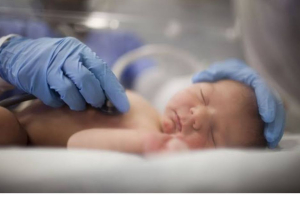
في جغرافيا ايران السياسية تواجه الاطفال الكثير من المشكلات البيئية والتى تؤثر على حياتهم الطبيعية، بل قد يصل الامر الى فقدانهم حياتهم نتيجة البيئة المحيطة والملوثات التى باتت تملأ عالمهم.
ففي تصريح له اعترف محمد رضا ظفر قندي وزير الصحة الايراني بأن جغرافيا ايران السياسية تفقد سنويا نحو 50 ألفا من الاطفال، وذلك بفقدانهم حياتهم بشكل تام نتيجة الملوثات المحيطة بهم.
واشار ظفرقندي أن التلوث المحيط بالاطفال يصيبهم بالكثير من الامراض الصدرية والتنفسية وبالتالي قد يفقدون حياتهم نتيجة هذه الملوثات البيئية، خاصة في المناطق الجنوبية.
وأكد ظفر قندي أن ارتفاع معدلات تلوث الهواء ليس مؤئرا على تلوث البيئة المحيطة فقط، بل إنه مؤشر على اصابة عدد كبير من الاطفال وكبار السن بالامراض الصدرية التى قد تؤدي بهم الى الوفاة.
وفي الاحواز المحتلة تشير تقارير الارصاد الجوية بشكل يومي الى ارتفاع معدلات تلوث الهواء نتيجة عوادم مصافي النفط ومصانع البتروكيماويات ونتيجة لضعف الرقابة البيئية على تلك المصانع ومصافي النفط.
وتشير التقديرات الى ان بعض المدن الاحوازية تتحول الى اللون الاحمر نتيجة ارتفاع معدلات تلوث الهواء وبالتالي لابد من اتخاذ كافة المحاذير من ارتفاع معدلات الاصابات والوفيات بالامراض الصدرية والتنفسية.
وتشير التقارير الواردة عن مستشفيات الاحواز العاصمة بأن أعداد المصابين بالامراض الصدرية الذين يراجعون المستشفيات بشكل دوري يتخطى ألفي شخص بشكل يومي، غالبيتهم من الاطفال.
ارتفاع اعداد الاصابة بين الاطفال بالامراض الصدرية والتنفسية في الاحواز المحتلة بات مشكلة كبيرة في ظل فقر الخدمات الطبية ونقص الادوية، ما قد يدفع الاهالي الى السفر الى محافظات أخرى داخل جغرافيا ايران السياسية، وبالتالي قد يتعرض المصابون الى مضاعفات اكثر نتيجة السفر لساعات طويلة.
تعتبر أزمة تلوث الهواء في الاحواز المحتلة معضلة كبيرة، ويؤكد بعض النشطاء البيئيون أن هذه الازمة مصطنعة من قبل سلطات الاحتلال بعدم الرقابة على مصافي النفط ومصانع البتروكيماويات بشكل دوري.
والدليل على ذلك حينما زار الرئيس الايراني مسعود بزشكيان دولة الاحواز قبل أشهر كانت السماء صافية والاجواء مشرقة ولاتوجد أية عوادم أو مشكلات بيئية، وبمجرد خروجه من الاحواز عادت الاوضاع كما هي، ما يعكس سياسة الاحتلال الفارسي العنصري تجاه ابناء الشعب العربي الاحوازي.
14/05/2025
#المركز_الإعلامي_لجبهة_
سرقة ونهب أموال المتقاعدين بالاحواز
أيار 16, 2025
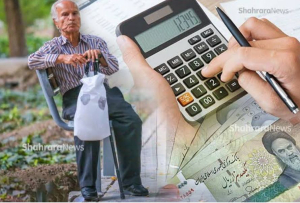
يسعى الاحتلال الفارسي العنصري الى اتباع كافة السبل لافقار ابناء الشعب العربي الاحوازي، فالبنظر إلى فئة العمال، سواء أكانوا على رأس العمل فإنهم يعانون الحصول على رواتبهم.
وإن كانوا قد تقاعدوا فإن معاناتهم لاتزال مستمرة، حيث ان سياسة الاحتلال الفارسي العنصري واحدة على مر العصور والازمان وفي كافة القطاعات المختلفة.
حيث تجمع عدد كبير من متقاعدي شركة نفط الاحواز العاصمة بحي الامنية بالاحواز العاصمة مطالبين بضرورة صرف رواتبهم ومستحقاتهم المالية المتأخرة عن عدة اشهر تصل الى أربعة أشهر ماضية حتى الان.
وأكد المتظاهرون أنهم طالبوا المسئولين عدة مرات بضرورة صرف رواتبهم أو الافراج عن مكافآتهم التى تحصوا عليها حين خروجهم عن العمل للتقاعد، إلا أنه وبحسب وصفهم قد نهب المسئولين مكافآتهم.
نهب سلطات الاحتلال الفارسي لمكافآت العمال ليس جديدا، حيث إن الكثير من القطاعات العمالية في الاحواز قد تجمع عمالها على مدار الاشهر والسنوات الماضية مرات ومرات، بل قد يصل عدد مظاهرات المتقاعدين لمئات بل لآلاف من المرات وذلك في ظل غياب العدالة تحت سيطرة الاحتلال الفارسي العنصري.
واكد متقاعدو نفط الاحواز العاصمة بأنهم يقومون بخصم الكثير من البنود من بينها التأمين الصحي والرعاية الطبية كل شهر من رواتبهم ولكنهم لم يحصلوا على أي من تلك الخدمات حتى الان.
وأضافوا ان المستشفيات التابعة للتأمين الصحي لايوجد بها لا أطباء ولا أدوية، ويتم تحويل المرضى الى مستشفيات خاصة لاجراء التحاليل والفحوصات الطبية وكل ذلك على نفقاتهم الخاصة دون الانتفاع من التأمين الصحي الذي يقومون باقتطاعه من رواتبهم كل شهر.
أوضاع مأساوية يعيشها أبناء الاحواز تحت سيطرة الاحتلال الفارسي، وعلى الرغم من ذلك يتنعم الكثير من المستوطنين في الاراضي الاحوازية ويتقلدون أرفع المناصب ليس لكفاءتهم ولكن لأنهم مستوطنون فرس فقط، بينما يعمل أصاب الكفاءات من ابناء الشعب العربي الاحوازي في المهن البسيطة للغاية.
13/05/2025
#المركز_الإعلامي_لجبهة_
اهمال الاحتلال الفارسي يهدد حياة العمال
أيار 16, 2025
لايزال مسلسل الاهمال المتعمد من قبل سلطات الاحتلال الفارسي يتخطى كافة الحدود، فالكثير من العمال يعملون في بيئات عمل غير مناسبة ما قد يعرض حياهم جميعا للخطر.
ففي تقرير تناولته العديد من المنظمات الحقوقية والعمالية أكدت أنه على مدار النصف الاول من العام الشمسي المنصرم 1403 بلغ إجمالي العمال الذين فقدوا حياتهم نتيجة الاهمال في تأمين بيئات العمل نحو1077 عامل.
وتشير الاحصائيات الى ان نحو عشرة آلاف من العمال في جغرافيا ايران السياسية حياتهم مهددة بالخطر في كل عام، هذا العدد الكبير قد يفقدون حياتهم او يصابوا بالامراض او الحوادث التى تؤدي إلى فقدان وظائفهم.
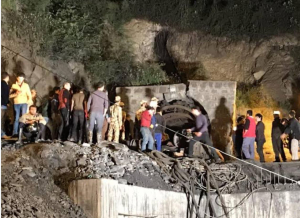
وأشارت التقارير الى أن حادث ميناء جمبرون خلف الكثير من الاصابات والوفيات بين العمال ما لايمكن حصره، ناهيك عن محاولات سلطات الاحتلال الفارسي العنصري التعيتم على الاعداد الحقيقية للمصابين والوفيات.
وتستدل التقارير على تجمع الالاف من الاسر بالقرب من موضع الحريق بالميناء بحثا عن ابناءهم ممن كانوا متواجدين وقت وقوع الانفجار في ميناء جمبرون قبل اسابيع.
ارتفاع معدلات الوفيات بين العمال في بيئات العمل يدفع جغرافيا ايران السياسية الى ذيل قائمة الدول التى تراعي قواعد التأمين والسلامة لصحة العمال في بيئات العمل.
وبالنسبة الى الاحواز المحتلة فإن الاوضاع تختلف تماما، فالعمال قد يصابون بالامراض سواء أكانت التنفسية والصدرية نتيجة انتشار الروائح الكريهة وعودام مصافي النفط ومصانع البتروكيماويات.
أو قد يصابون بالامراض نتيجة تسرب بعض العناصر الغازية الضارة بالصحة نتيجة الفشل في تأمين بيئات العمل داخل المصانع وضعف الرقابة والجودة بالمصانع.
فقر الخدمات بالاضافة الى عدم مراعاة قواعد الامن والسلامة داخل بيئة العمل يدفع الكثير من العمال الى الاعراض عن الاستمرار في تلك الوظائف، خاصة وأنه إذا اصيب احد العمال داخل العمل، فإن المسئولين قد يلقون باللوم عليه كي لا يتعرضون لتحقيقات او يتكفلون بنفقات علاجه.
وما أن يتم اخراجه من العمل ينضم الى طابو المتقاعدين المطالبين بصرف رواتبهم ومستحقاتهم المالية عن اشهر سابقة، حتى قال احد العمال، إن بيئة العمل لم تعد صالحة سواء أكنت على قوة العمل أم خارجه.. تلك هي سياسة الاحتلال الفارسي العنصري.
12/05/2025
#المركز_الإعلامي_لجبهة_
السلام عليكم ورحمة الله وبركاته،
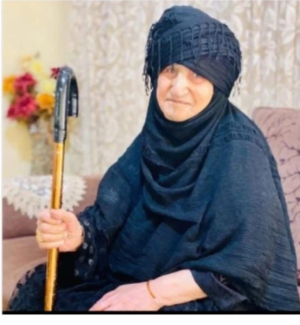
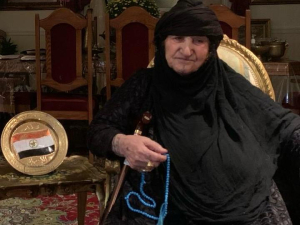
بقلوب يعتصرها الحزن، وعيون تدمعها المآقي، ونفوس مؤمنة بقضاء الله وقدره، تلقينا نبأ وفاة شقيقتكم الطاهرة، ووجه الخير والصبر، الحاجة أم إسماعيل، رحمها الله رحمة واسعة.
إن هذا المصاب الأليم لا يمسّكم وحدكم، بل يمسّ كل من عرف الفقيدة وارتبط بها إنسانيًا وأخلاقيًا، فقد كانت - كما بلغنا - مثالًا للمرأة الصالحة، الطيبة، الصبورة، صاحبة القلب الكبير والإيمان العميق، التي وقفت إلى جانب أهلها وأبنائها بكل ما أوتيت من حكمة وحب وتفانٍ.
لقد رحلت الحاجة أم إسماعيل عن هذه الدنيا الفانية، ولكن ذكراها الطيبة وسيرتها العطرة ستبقى حيّة في القلوب، وشهادات الناس في حقها خير شاهد على أنها غادرت وقد تركت أثرًا طيبًا في حياة كل من عرفها.
إننا ونحن نخطّ إليكم هذه الكلمات، لا نجد ما يخفف من ألم الفقد سوى ما وعد الله به عباده الصالحين:
“يَا أَيَّتُهَا النَّفْسُ الْمُطْمَئِنَّةُ، ارْجِعِي إِلَى رَبِّكِ رَاضِيَةً مَرْضِيَّةً، فَادْخُلِي فِي عِبَادِي، وَادْخُلِي جَنَّتِي”.
نسأل الله تعالى أن يتغمّد الفقيدة بواسع رحمته، ويجعل قبرها روضة من رياض الجنة، وأن يرفع مقامها في عليين، ويحشرها مع الصدّيقين والصالحين وحسن أولئك رفيقًا، وأن يرزقكم أنتم، وسائر أهلها ومحبيها، الصبر والسكينة والرضا بقضاء الله.
ولا يسعنا في هذا المصاب الجلل إلا أن نقول:
إنا لله وإنا إليه راجعون،
ولا حول ولا قوة إلا بالله العلي العظيم.
تقبلوا منّا أحرّ التعازي وأصدق مشاعر المواساة.
جبهة الأحواز الديمقراطية
١٥ مايو ٢٠٢٥
بسم الله الرحمن الرحيم
﴿كُلُّ نَفْسٍ ذَائِقَةُ الْمَوْتِ ۖ وَإِنَّمَا تُوَفَّوْنَ أُجُورَكُمْ يَوْمَ الْقِيَامَةِ﴾
صدق الله العظيم
الأخ العزيز المناضل أبو شريف الأحوازي حفظه الله،
السلام عليكم ورحمة الله وبركاته،
بقلوب يعتصرها الحزن، ومؤمنة بقضاء الله وقدره، تلقّينا ببالغ الأسى والأسف نبأ وفاة والدتكم الغالية أم إسماعيل، رحمها الله رحمة واسعة وأسكنها فسيح جناته.
وإننا في هذا المصاب الجلل لنتقدّم إليكم، وإلى عموم آل الفقيدة الكرام، بأحرّ التعازي وأصدق مشاعر المواساة، سائلين الله العلي القدير أن يتغمّدها بواسع رحمته ومغفرته، وأن يجعل مثواها الجنة مع النبيين والصديقين والشهداء والصالحين، وحسن أولئك رفيقاً.
لقد كانت الفقيدة ، كما بلغنا ، مثالاً في الصبر والإيمان، وركناً من أركان العطاء والتربية الفاضلة، ونحسبها من الصالحات القانتات، ولا نزكي على الله أحداً. وإننا إذ نُعزّيكم في فقدها، نُعزّي أنفسنا وكل من عرفها، لما لها من مكانة طيبة في قلوب الجميع.
نسأل الله أن يربط على قلوبكم، ويجبر كسركم، ويُعظم أجركم، وأن يُلهمكم جميل الصبر وحسن العزاء. ولا نقول إلا ما يُرضي ربنا:
إنا لله وإنا إليه راجعون.
مع خالص التعزية والمواساة،
جبهة الأحواز الديمقراطية
التاريخ: ١٥ مايو ٢٠٢٥
"Schools without roofs in Al Falahiyah"
أيار 13, 2025
The racist Persian occupation continues to commit the most heinous crimes against the Ahwazi Arab people, depriving them of their most basic rights: education and the provision of a safe environment for learning.
occupation policy is based on spreading ignorance and impoverishing the Ahwazi Arab people so that it can easily and conveniently plunder their wealth and the resources of their country, without any objections, and so that the appointment of settlers in all Ahwazi interests and factories becomes an extremely easy matter.
In order for the occupation to begin implementing this dirty policy, it had to destroy the Ahwazi schools by impoverishing them and not equipping them on a regular basis, in addition to the environmental and natural disasters that repeatedly strike Al_Ahwaz.
The occupation continues to neglect schools and teachers in occupied Ahvaz. With the announcement of the Persian occupation's representative, Governor Reza Mowli Zadeh, to the city of Al-Falahiyah, many of the city's residents took the initiative to welcome him.
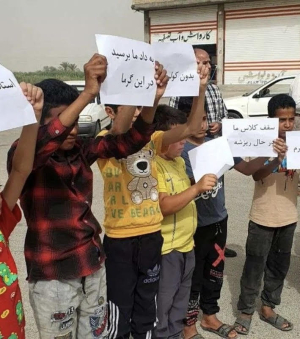
But the reception this time was completely different, as the students raised banners on which they wrote: “We have the right to good schools suitable for receiving education. This is one of our most basic rights, and you must provide it for us.”
They raised banners reading, "Ahwaz is rich in resources and goods, but it is one of the poorest regions in Iran's political geography, thanks to the racist policies of the occupation against the Arab Ahwazi people."
In a statement to them, the city’s residents said that our schools have sloping roofs that are liable to collapse, which makes us victims of the racist policies of the occupation. It may also turn the classrooms into a graveyard for the students if the roofs collapse on them.
They added that schools lack good ventilation as summer approaches and temperatures in occupied Ahwaz rise dramatically during the summer.
Not to mention the schools' lack of security and safety facilities. Although there are schools in the areas inhabited by settlers, they are completely different from the schools of the people of Al_Ahwaz.
Ahwazi schools are facing a major staffing crisis due to the lack of new appointments, despite the unemployment that is ravaging Ahwaz despite the region's abundant wealth and resources.
8/5/2025
media center of the Ahwazi Democratic Front
translated by: Abdolreza Savari