
عاجل
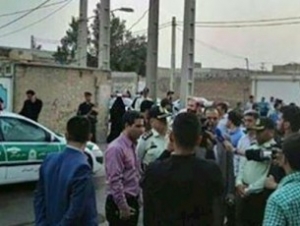
اعتقالات فی مدینة أبو حميظة
تموز/يوليو 28, 2020
عاجل
اعتقالات فی مدینة أبو حميظة
في خبر عاجل من منطقة الخفاجية في شمال الأحواز ، جاءنا ان مداهمات حصلت لإستخبارات الحرس الإرهابي هذا المساء في مدينة أبوحميظة و تم اعتقال الشابين سعيد مزرعة بن صمد و فارس مزرعة بن علي مطرود. يذكر ان الاستخبارات عملت تفتيش دقيق لكل ممتلكات العائلتين و بالنهاية تبين ان الصديق الحميم لهم هو العميل امير مغينمي الذي أعطى تقرير عنهم للأمن وسلم رشاشين لقوى الأمن مدعيا انها لهؤلاء الشباب و أخفوها عنده كصديق أمين!!و سنوافيكم بما يصلنا حول هذا الخبر.
المركز الاعلامي لجبهة الأحواز الديمقراطية(جاد)١٩/٧/٢٠٢٠
https://t.me/AhwazAraby
المجلس الوطني و الموقف من العقود الصينية الايرانية في دولة الاحواز المحتلة .
تموز/يوليو 19, 2020
المجلس الوطني و الموقف من العقود الصينية الايرانية في دولة الاحواز المحتلة .
ايها الشعب العربي الاحوازي العظيم
عملت سلطات الاحتلال الفارسي الايراني منذ العشرين من نيسان عام 1925 بكل ما ملكت من وسائل قمع و تنكيل و ارهاب و تجويع و تهجير السكان الاصلين و تطبيق سياسة تطهيرالعرقي المحرمة دوليا و عقد الصفقات الاقتصادية و الامنية الطويلة الامد لنهب ثروات الاحواز وخيراته مع دولا كبرى طيلة العقود الماضية و اخرها الصفقة الصينة الايرانية المعروفة بالصفقة الشاملة بين ايران و الصين وفق تعريف دولة الاحتلال الايراني . بقية فرض سياستها الاحتلالية و جعلها واقعا في الاحوازالمحتلة.
أبناء الأحواز المناضلين،
جماهير الشعب العربي الأحوازي الباسل، الجميع متابعين أخبار التوافقات الإقتصادية و الأمنية والعسكرية بين طهران و الصين و تعرفتم على أن عمدة هذه التوافقات ولو ان النظام لم يعلن تفاصيلها للعامة، لكنها المؤكد منها ان الصين ستحصل على حق التنقيب و الشحن للغاز و النفط في ايران، و الأحواز هو المستهدف نظرا لوجود النفط و الغاز على ارض الأحواز ، بالإضافة الى حصول الصين على موافقت تأجير عدد من جزر الأحواز، و أهمها جزيرة قيس( كيش)المحتلة.
هذه الثروات الأحوازية و غيرها شكلت العمود الفقري للتوافق الذي تدفع له الصين خلال سنين العقد الخمسة وعشرين عام مبلغ ٦٠٠ مليار دولار و حضور الصين بالتكنولوجيا و العمال وخمسة آلاف جندي للحراسة، وهذه الأمور المهمة كلها لم يكشفها الإحتلال الفارسي حتى الأن حتى لمايسمى بالبرلمان الإيراني و مازال يتهرب من الرد على أسئلة الإعلام الأجنبي ولا الإيراني حول الصفقة و اليوم يعلن وزير خارجية ايران عن المقترح الصيني يذكر ان المكتوب حول الأمر تم استلامه في ديسمبر الماضي رسميا من الصين، و تعرفون نحن الأحوازيين المستهدفين و مستهدفة أراضينا وجزرنا و ثرواتنا من هذا التوافق الذي تهدف الصين منه الربح و النظام يهدف الحفاظ على نظامه المتآكل والأيل للسقوط ، خصوصا و ان النظام في الأحواز يواجه الطرد وبدأ تغييرات في سياسته القمعية بالمجىء بعشرين ألف بسيجي لأمن عاصمتنا الأحوازية المحتلةفقط بدل الجيش و الشرطة الذين لم يعد يثق بهم.
ابناء الاحواز العظيم
، الأمر هذا إن نفذ، فسيكون ضار لنضالنا ومؤخِر لإنتصاركم على المحتل و النظام الايراني سيدفع بالصينيين ان ينقلوا عساكر لحماية مؤسساتهم و أموالهم التي استثمروها، و في هذه الحالة سنكون مضطرين لمواجهة التحالف الإيراني- الصيني معاً، واليوم الأمر الذي علينا القيام به هو العمل في الخارج و الداخل بالتوازي لمنع ذلك.
و من اجل ذلك تنظيمات المجلس الوطني لقوى الثورة الأحوازية مجتمعة تحركت في هذا الشأن بما يمليه علينا الواجب الوطني، لكن تحركاتنا سيكون صوتها مرتفع ومؤثر بقوة الشارع الأحوازي و مساندته للتحرك على الساحة الدولية ويرتفع صوتنا بارتفاع صوت شعبنا و المطلوب من جميع الأحوازيين و في كل المدن الأحوازية و الخارج ان يسندوا تحرك المجلس الوطني و كل القوى الوطنية الأحوازية بنشاط جماهيري و شعبي مؤثر.
ايها الشعب العربي الاحوازي الثائر
لقد افشلتم عبر مقاومتكم الوطنية الباسلة التي تسلحت بالشرعية الدولية و حق الشعوب المستعمرة و المحتلة و المضطهدة في مكافحة الاحتلال و القهر الاجنبي بكل الوساىل المشروعة و ما قدمنا من تضحيات خلال العقود الماضية ،افشلت كل السياسات الايرانية الرامية لطمس هوية الاحواز , و اثبتنا للعدو الايراني الغاشم , ان سياساته الارهابية لن تثني ارادتنا و لن تضعف ايماننا بالنصر و بقضيتنا العادلة و عليه ان المجلس الوطني لقوى الثورة الاحوازية يعلن مايلي.
اولا: ان المجلس الوطني يوكد رفضه التام و القاطع لاي معاهدة تعقد بين دولة الاحتلال الايراني و اي دولة اخرى تمس بالحدود و الثروات الاحوازية و تعتبر ذلك خرقا صارخا لميثاق الامم المتحدة و الاعلان العالمي لحقوق الانسان الذي يلزم الدول كافة بأحترام حق الشعوب في تقرير مصيرها وحقها في التصرف بثرواتها الاقتصادية و عليه يعتبر المجلس الوطني كل ما جاء في العقود الايرانية الصينة على ارض الاحواز و مياهها باطلا وغير شرعي .
ثانيا: ندعو حكومة جمهورية الصين الشعبية, عدم الانجرارخلف المصالح الاقتصادية و المساهمة في الجرائم التي ترتكبها دولة الاحتلال الايراني , حيث يعد ذلك خرقا لمبادء القانون الدولي و الاعلان العالمي لحقوق الانسان و خاصة المتعلقة بالحقوق الاقتصادية و السياسية و الثقافية للسكان الاصلين و الشعوب المستعمرة , خاصة و ان الصين عضو دائم في مجلس الامن الراعي للامن و السلم الاهلي و الدولي .
ثالثا: ان المجلس الوطني سيتابع معارضة هذه المشاريع في المحافل الدولية و القانونية لوقف نهب ثروات الشعب العربي الاحوازي و سيقاوم هذه المشاريع الاستعمارية بكل الوسائل كما يقاومها منذ عام 1925.
رابعا : ندعو جماهير شعبنا العظيم , صاحب الارض و المياه و السيادة الحقيقية في الاحواز المقاوم الثائر الى تصعيد المقاومة الشعبية و المواجهة فوق كل شبر من التراب الوطني الاحوازي بكل الوسائل و السبل المشروعة , حيث لا يمكن للعدو الايراني ولا لأي دولة اخرى تمرير سياساتها العدوانية في الاحواز المحتلة .
عاشت الاحواز
المجد للشهداء، الحرية للاسرى
المجلس الوطني لقوى الثورة الاحوازية
١٦/٧/٢٠٢٠
عاجل عاجل الأحوازيين خذو حذركم؟
تموز/يوليو 19, 2020
عاجل عاجل الأحوازيين خذو حذركم؟
لعبة البورصة لعبة قذرة للنظام
وصلتنا اخبار ان سماسرة النظام انتشروا في الشوارع الأحوازية بلعبة جديدة لنهب أموال الناس، حيث بعد ما كثير من البنوك سرقت أموال الناس و هرب أصحابها للخارج و فقد الناس الثقة بالبنوك و سحبوا أموالهم منها، قرر النظام فتح البورصة في ايران قبل كم شعر بعد أربعين عام من تحريمها.هذه اللعبة الجديدة لجمع أموال الناس و خصوصا النقود التي يحتفظ بها الناس بشكل ذهب و دولار، يريد النظام استغلالها لمعالجة مشاكله الاقتصادية، وعلى الأحوازيين ان لا يغرقوا بألاعيب النظام الإجرامية و عليكم ان تحفظوا ما تملكون، لا للبورصة و لا لبيع الذهب و الممتلكات وما لديكم هو الأفضل من أي قمار جديد يطلبه و يسمح به النظام.
المركز الإعلامي لجبهة الأحواز الديمقراطية١١/٧/٢٠٢٠
النظام الإیراني إلى أين؟
تموز/يوليو 09, 2020
النظام الإیراني إلى أين؟
بعد أعوام عجاف داخليا خلال واحد وأربعين عام عمر جمهورية إيران ألا إسلامية اقتصاديا و أمنيا و اجتماعياً وقضائيا و في مجالات البيئة و حقوق الإنسان و العدالة الإجتماعية، اليوم و تحديدا خلال عام مضى، عصفت بإيران تهديدات كبيرة و متنوعة من الخارج، اكبر حجما و اكثر تأثيرا من كل ما واجهت ايران حتى الأن، حيث كل ما حاول النظام ان يعالج مشكلة وحدة، ضربت استقراره عدة مصائب أخرى، معظمها كبيرة، أفقدته توازنه حتى اصبح غير قادر على فعل شىء لمعالجة أي منها و إعلانها فقط، وبقي كعادته يوجه التهم يمين و يسار للخارج و الداخل لأعداء موهومين الذين يوصفهم ويسميهم الأعداء و الخونة.
خلال العام الماضي و خصوصا في النصف الأول من٢٠٢٠ فقط كثرت التفجيرات الكبيرة و الخطيرة في المؤسسات فوق السرية التابعة للجيش و الحرس، كما لفيلق القدس و قادته و لحلفاء النظام من المرتزقة التي لا تحصى ولا تعد، و نذكر بعضها المهمة ومنها قتل قائد فيلق القدس و معه قائد الحشد الشعبي العراقي، الأمر الذي اضعف كثيرا مناورة الجناح الخارجي للحرس الإرهابي، و المليشيات الإرهابية العراقية و ابتعاد العراق و مناصري خامنئي الشيعة خصوصا عن ايران حتى اقترب العراق تماماً من الأمريكان بعد انتفاضة اكتوبر العراقية ومجيء رئيس الوزراء مصطفى الكاظمي وتقليم حوافر مليشيات خامنئي،بجوار ذلك في سورية القصف شبه اليومي الإسرائيلي على مليشيات ايران و قتل كثير من قادة الحرس و المليشيات الأفغانية و الباكستانية و العراقية و مليشيات حزب الله و تدمير للأسلحة الإيرانية المخزنة في سورية دون ان يتجرأ ايران بإطلاق رصاصة واحدة باتجاه إسرائيل،الحصار الإقتصادي على حزب الله و حلفائه في الحكومة اللبنانية و سقوط سعر الليرة اللبنانية وثورة الجماهير اللبنانية على حزب الله و إيران والمضايقات التي للحزب تبعًا للحصار الأمريكي، أما الحوثيين في اليمن مع استمرار محاولات النظام لنقل الأسلحة و الصواريخ لهم لكن تراجعت صواريخهم بسبب مراقبة قوات و تفتيش السفن الإيرانية من قِبَل التحالف الدولي في بحر العرب و ضربات التحالف العربي لمراكزهم القيادية و تخزين تركيب صواريخهم طائراتهم الإدرون بدون طيار ومتابعة الجيش اليمني مطاردة مقاتليهم في كل المحافظات التي بيد الحوثيين بالإضافة الى اعلان الأمريكان انصارالله الحوثيين منظمة ارهابية، كما وسبق للأمريكان بإعلان حزب الله و مليشيات ايران الارهابية ايضا.
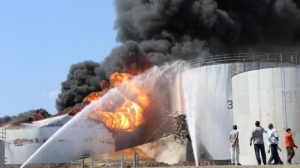
و عودةً لدخول الحرب الإلكترونية في الداخل والتي تقودها و تنفذها امريكا و اسرائيل فكانت على أشدها في الأسبوعين الأخيرين و التي تسببت لضربات مؤثرة لصناعة الصواريخ في معسكر پارچين و مركز تخزين احدث الطرود المركزية التي كانت تنتظر النصب قريبا في مفاعلات نطنز أصفهان لتنقل ايران لصنع قنبلة نووية خلال اشهر قليلة و بتفجير هذه الطرود تأخرت ايران لمدة عام حد الأقل لوصولها لإنتاج أول رأس نووي مع النظر الى وجود عناصر تجسس اسرائيلية مازالوا يفجرون هذه المؤسسات. بالإضافة الى التفجيرات الحرائق و التفجيران الأخيرة اشتعلت النيران عمداً في الغابات و المزارع و البتروكيماويات في معشور و مركز الطاقة العملاق في حي الرزقان في الأحواز.وننهي هذا التقرير بالإشارة الى المظاهرات و التحصنات و التجمعات الإجتماعية و السياسية في مدن الأحواز خصوصاً لعمال قصب السكر و المعلمين و عمال البلديات و شركات المياه و الكهرباء بالإضافة الى إغلاق الطرق العامة والإمتعاض من القمع الذي تتخذه السلطة في الأحواز و خصوصا والإغتيالات المتعددة في الشوارع.
المتابع لكل هذه الأحداث يرى دون صعوبة ان العمر الإفتراضي لهذا النظام اقترب من نهايته، و بدفعة للشارع الإيراني للتحدي والخروج للشوارع خصوصا في المدن الكبرى للقوميات و منها الأحواز و سنندج و تبريز، سيهتز النظام هزة كبيرة، يمكن توسعها بسرعة لتنقلب سونامي سياسي ينتج عنه تغيير جذري في ايران سياسيًا و حتى جغرافيا و تاريخيا.
#المركز_الإعلامي_لجبهة_الأحواز_الديمقراطية ( #جاد_الأحواز )٨/٦/٢٠٢٠
https://t.me/AhwazAraby
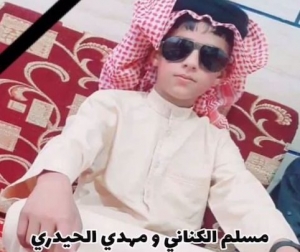
Articles Ahwazi child labourers died as the world remains silent
تموز/يوليو 06, 2020
Two 12-year-old Ahwazi child labourers died horrifically in a road accident in June when they were hit by a heavy truck while crossing a road late at night. They were returning from a day’s scavenging through rubbish.
The two boys, Moslem Kenani and Mehdi Heidari, were lifelong best friends and neighbours from the deprived Malashiyeh neighbourhood of Ahwaz city. Both died instantly as they tried to cross the Ahwaz-Muhammarah motorway together on the night of June 18 to return home, with the truck driver not even noticing them until he had already hit them.
The boys, who had been forced to quit school due to their families’ desperate poverty, scraped a living to help feed their parents and siblings by scavenging through rubbish for dry bread and collecting bottles and cans to sell for scrap.
It should be noted that the Ahwaz region, once a celebrated regional breadbasket whose rivers and wetlands were also famed for the variety of marine life, sustaining generations of fishermen, is the location of over 95 per cent of the oil and gas resources claimed by Iran. Despite this vast natural wealth, the indigenous Ahwazi people live in conditions of abject poverty, with the regime in Tehran withholding the most basic amenities and services and denying them fundamental human rights. It is a standing, bitter joke amongst Ahwazis that the only things they receive from the oil and gas on their land – which earn billions of dollars per week for the Iranian regime – are pollution and disease.
According to members of an Ahwazi rights group who visited and interviewed the deceased children’s parents, both families live in dreadful poverty, with all the children having no choice but to work. Like the activists, both women spoke on condition of anonymity, fearing the regime might further penalise their families for exposing the dire conditions of their lives there.
Moslem’s mother, still devastated at the loss of her beloved son, told the human rights activists about the family’s plight, saying: “My husband was working on our farm, but in the past few years, we lost all the crops due to floods and then we had to sell our small farm to pay the debt of the loan he’d borrowed from the bank for buying barley and wheat. That was the only source of living to keep our heads above water. After that, my husband searched everywhere to get any type of job, but he failed; everywhere you go to get work you need to have connections, otherwise there’s no way to get a job. When Moslem saw us struggling to get basic things like food, he told us, ‘I won’t go to school till I help my brothers and sisters.’ As parents, we couldn’t agree or disagree – it’s meaningless when we weren’t able to afford to buy shoes and clothes for him and his brothers and sisters. He started scavenging for plastic bottles, and dry bread in 2017 – at the same time my husband also made a slingshot for hunting sparrows because we could not afford to buy any type of meat or fish, they are too expensive. Sometimes my husband hunts for sparrows and we keep some for us and the rest we sell it to local to get a small amount of money.
“Moslem used to get up really early and then rush to knock on his friend Mehdi’s house door so they’d go together to collecting plastic and dry bread. Moslem didn’t have a cart so he’d put his stuff in his friend’s cart and they’d sell it jointly and share the money. They were both working over 13 hours a day, and in the past few months, more and more children turned to collecting plastic due to poverty, so Moslem and Mehdi had to go to many areas to fill in their bags tied above their rattling cart. It broke my heart seeing his pale tired face. And despite everything he was happy; whenever he came home, he’d says ‘Here Mum, thanks to God, here is the money; don’t worry I am like a mountain standing behind you and Dad’s backs.’”
She paused and sighed for a moment before continuing; “Moslem was 12 years old, but the hardship and poverty made him think and speak like a mature man. His face was burnt due to exposing it to prolonged strong sunshine and heat over 122 Fahrenheit. Every night I’d rub his feet – they had so many blisters and warts, especially the left foot. He was wearing open sandals in all seasons … he always told me, ‘My favourite season is spring because it doesn’t hurt my feet but in summer my feet get burned and in winter my feet get frozen so badly that I can’t walk, and my friends tease me and call me a slow tortoise because they were fast in reaching the trash bins.’ Every time I’d tell him, ‘You must first buy shoes’, but he’d refuse and say ‘No way, I want you to get shoes and clothes for my brothers and sisters so they won’t be humiliated at school.”
Recalling the day he died, his mother said, “On Wednesday, June 18, just like every day, Moslem and his friend Mehdi woke up really early and went out searching for plastic and dry bread. They both used to come back around 8 or even later, 10 p.m., and me and Mehdi’s mum would always sit and wait for them in front of our doors to see them and go and help them with their cart. But that night they didn’t come – there was no way to call them, they didn’t have a phone. After a few hours, locals told us that Moslem and Mehdi were killed after a big truck hit them at 1 a.m. when they were trying to cross the road.”
Mehdi’s mother told a similarly tragic tale about her son: “Due to the strong sunlight, Mehdi started having problems with his eyesight and he started to have poor vision at night. I took him to a doctor, and they prescribed eyeglasses for him in 2018, but it was expensive, and we couldn’t afford to buy him eyeglasses. Moslem’s mother said that he was slower because he had warts and blisters on his feet. And probably due to Mehdi’s vision problem, he couldn’t see the cars well, so with those two things together they probably failed to cross the road quickly enough, especially when they were struggling to pull their cart.”
In addition to the tragic phenomenon of child labour in Ahwaz, the tragic deaths of these two friends also bring attention to the perilous Ahwaz-Muhammarah road, which is widely known locally as the ‘highway of death’ due to the large number of fatal car accidents there with no crossings or road bridge to enable people to cross safely.
Speaking on condition of anonymity, a local activist said, “The Ahwaz-Muhammarah road is very dangerous. There’s no way for locals to cross it safely, and this road is an essential road for Iran as many trucks use it for transportation, so it’s always busy. Despite that, the Iranian government pays no attention to the lives of people who live near the road. Many children in recent years especially school pupils, were killed on this road when they were trying to cross it to go to other side of the road to get to or from school.”
Another local, also speaking on condition of anonymity, revealed that she’d lost two children in accidents on the road and desperately wants to see safety measures introduced to prevent further deaths. “All the students who want to study in the upper grades must travel to Ahwaz so they need to cross the Ahwaz-Muhammarah motorway and that’s caused lots of terrible accidents in recent years. It’s not just my children – dozens of school pupils have died in recent years when cars hit and ran over them while they were on their way to the nearest school which is located five kilometres away. The local regime officials don’t even bother to put signs and signal lights here or introduce road-bumps and speed limits to reduce the number of these tragedies.”
Attorney and human rights activist Aaron Eitan Meyer underscored that the regime has neither justification nor excuse for these tragic deaths, much less the policies that caused them. “The Iranian regime has made a determined and consistent pair of decisions. First, it prioritises exporting its misbegotten totalitarian ideology by funding terrorism across the Middle East and beyond, along with its quest to achieve nuclear capability. Second, it engages in systemic racism, and then tries to blame sanctions for its reprehensible conduct. Iran could easily choose to allocate funding for its poverty-stricken areas and their typically minority inhabitants. It categorically refuses to do so, and that has directly led to the deaths of these boys, who never should have had to be working. From a legal perspective, the Iranian government has utterly failed its people, and in so doing has legally forfeited any legitimacy it could conceivably have ever possessed.”
Meyer continued, “it fitting that I write this on America’s Independence Day, when we declared that ‘whenever any Form of Government becomes destructive of these ends, it is the Right of the People to alter or to abolish it, and to institute new Government, laying its foundation on such principles and organising its powers in such form, as to them shall seem most likely to effect their Safety and Happiness. The principles embodied by America’s Declaration of Independence were not limited in time and place, but represented universal truths, and guiding principles by which to assess the legitimacy of governments. By every measure, Iran has utterly failed its peoples, and the avoidable deaths of these boys is yet another example of this. The Ahwazi people, and others who suffer under the regime’s brutal thumb, deserve these universal rights, and have been deprived for far too long. The free nations of the world must take note and act.”
Although the regime continues to spend billions of dollars on militias and wars across the Middle East, the worsening economic crisis in Iran is hitting the poorest first and worst, with reports of widespread malnutrition particularly among the state’s doubly oppressed ethnic minorities, including Ahwazis, who were already struggling to survive even before this latest crisis; although the regime likes to blame US sanctions for the problems afflicting it, the long-suffering people are fully aware that the regime’s military expenditure on militias and regional war makes a mockery of its claims, and that they are, as always, being treated as expendable by a regime that cares only about its own survival.
This economic crisis means that people who already had little or nothing are desperately struggling to stay alive. Denied employment or aid by the regime and subjected to relentless abuse and persecution, the poorest of the poor in a region whose mineral resources alone should provide its people with wealth like Qatar’s have no choice but to send their children out to scavenge through rubbish for food and scrap simply so they can live. The dangers of such work for children are numerous, not just through the risk of contracting disease from the unsanitary conditions and vermin around rubbish dumps, but via exploitation, violence and abuse of the vulnerable and weak by the stronger or more desperate or by child abusers and predators.
For Ahwazis, there is no social safety net, particularly not from a regime that views them as racially inferior to ethnically Persian Iranians; whilst Iran’s regime likes to present itself internationally as nobly resisting injustice and protecting the oppressed, this pretense is a terrible and cruel joke for those who know its real, systemic racism and murderous oppression first hand. To give but one example of these quintessentially racist policies, the regime builds special ethnically homogeneous settlements for Persian-Iranian settlers which are provided with all the amenities withheld from the indigenous people; these homes and well-designed settlements are constructed as one of the inducements offered to ethnic Persians to persuade them to move to the area to work in the oil and gas industry there or the related refineries or in the loss-making sugarcane farms and refineries established by the regime.
The indigenous Ahwazis are denied any but the most menial jobs and are routinely driven out of their homes and lands, which are handed to state bodies or to ethnically Persian incomers, with the dispossessed owners having no legal recourse to any complaints procedure or compensation for losing their homes, possessions and livelihoods; any attempt to complain or take legal action against this systemic abuse by the state authorities will see the Ahwazis rather than their persecutors being arrested and often imprisoned on fabricated charges following kangaroo trials. This injustice and persecution is perpetuated and normalised through offensive and systemic racism, with Ahwazis depicted as uncivilised barbarians and savages and subject to insults such as “camel’s-milk-drinker”.
No 12-year-old boy should have to be a mountain for his destitute parents, and no 12-year-old boy should die because he was forced to work. The world has remained silent and indifferent on their deaths, just as it had on their lives. This silence must end, so that the regime’s crimes against its peoples can be ended.
By Rahim Hamid
Rahim Hamid is an Ahwazi author, freelance journalist and human rights advocate. He tweets under @Samireza42.
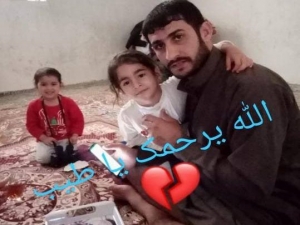
More Murder by the Iranian Regime, as its Systemic Racism Claims More Ahwazi Lives
تموز/يوليو 06, 2020
Even as mass demonstrations have erupted across the world over the murder of a man, George Floyd, in the United States, three more Ahwazi men have been killed by Iranian forces without any significant outcry. All three were unarmed and going about their daily lives when they were shot with no justification by regime troops, who routinely maim or kill Ahwazis in the Ahwaz region of the south and southwest Iran, with impunity.
Tallha Abdulrazaq, a researcher at the University of Exeter’s Strategy and Security Institute and winner of the 2015 Al Jazeera Young Researcher Award, commented: “The Iranian regime has for decades shown a wanton disregard for international human rights laws and the standards and conventions enshrined by the United Nations charter. Tehran not only continues to execute Ahwazi political prisoners who have been either arrested on spurious charges, or who have had little to no access to fair hearings or legal assistance, but also continues to engage in racist and deadly policies, showing a complete disregard for the sanctity of human life.
Abdulrazaq added, “From 2017 to 2019, around 8 Ahwazis among them children were also shot dead despite having not committed any capital offences under the Iranian penal code, and they have repeated this again by shooting and killing 3 other young Ahwazi men in less than a month this year. This situation has been allowed to continue and fly generally under the radar of human rights watchdogs and international legal bodies, an untenable situation in terms of upholding of international norms and standards regarding respect for human life and dignity.”
In the latest case, 30-year-old Mohammed Sawari(pictured), a married father-of-two from the town of Rofyea on the Iran-Iraq border, died on Friday, 26 June, the day after he was shot three times at close range. Sawari, who scraped a living through fishing in the Hor al-Azim wetlands and selling sheep and cattle to Iraqis in a neighbouring area was shot by regime troops in the early hours of Friday morning whilst he was bringing some sheep on foot to sell them to Iraqi customers nearby. The regime troops, who were apparently lying in wait, opened fire at close range without issuing any warning, with three of the bullets causing severe injuries. Although he was transferred to a nearby hospital, it lacked the specialised equipment necessary to treat his injuries. His family rushed him to a general hospital in the regional capital, Ahwaz city, but the time taken to transfer him coupled with the severity of his injuries meant that medical staff were unable to save him, and he died on Friday evening.
This is just the latest tragedy at the regime’s hands to affect the family; Mohammed’s father, Kazem Sawari, a prominent Ahwazi political activist, was executed in 1996 by the Iranian regime on charges of acting against the country’s security and “fighting God” by blowing up oil pipelines. These inherently political charges, often accompanied by accusations of ‘religious criminality’ have long been used by the autocratic theocracy to justify its imprisonments, torture, and what under any legitimate definition of the term must be called murder. In effect, the regime has enjoyed impunity, with the complicity of credulous foreign journalists parroting its manufactured justifications. The systemic racism of the regime runs far, far deeper. One might say that systemic racism forms the very ground to which the Iranian regime desperately clings.
Despite the presence of several major oil companies near the town of Rofyea, according to local officials, only 10 per cent of the company’s workforce is Ahwazi, with the rest of the employees being brought in from ethnically Persian regions of Iran, in what’s widely – and flagrantly – acknowledged as a demographic transfer policy by the regime, which accords rights and privileges to ethnically Persian Iranians that are not available to indigenous Ahwazis.
These immigrants to the region from other areas are also offered inducements to move there, such as well-appointed homes in specially built in Arab-free settlements. The high unemployment and grinding poverty in the town, which lies 25 kilometres west of the city of Howeyzeh and three kilometres from the Hor al-Azim wetlands, means that many, if not most, locals are forced to turn to informal livestock-breeding or fishing in the marshes to survive, with the livestock traded across the border. As the murder of Mohammed Sawari shows, however, even something as benign as trading sheep and cattle can mean death to ethnic minorities in Iran.
Two weeks before this, on Wednesday, 10 June, another young Ahwazi man, 25-year-old Majed Alboghobeish (pictured) from the city of Ma’shour, died instantly when police shot him at close range without any warning from a passing car whilst he was driving on the road between Ma’shour and Khor Mousa.
As usual, no reason was given for the murder of the young man, whom witnesses reported was unarmed, driving at normal speed and going about his daily business. Sources said that Majed’s father Rahim and the rest of his family are still in shock over his killing, with no reason given for the brutal murder. As usual in Ahwaz, any effort to seek justice for the killing at the hands of police is likely to result in family members being punished, arrested and possibly imprisoned, but never results in accountability for any regime forces who carried out the murder. Under current international law, the UN Security Council could refer these brazen murders to the International Criminal Court, but since the regime remains protected by China and Russia, there is virtually no chance of judicial accountability from any presently constituted international tribunal.
Nine days after Majed Alboghobeish was killed, another young Ahwazi man, Hassan Mohammed, from the town of Alsaluyeh, was shot at point-blank range whilst he was passing through a checkpoint, with sources reporting that he was on his way to visit his fiancée when he was killed. According to witnesses, the Iranian officers manning the checkpoint, who had not even instructed Hassan to stop, opened fire without warning when he walked through, killing him immediately. As with the two other cases above, he was unarmed, and no reason was given for his murder.
Hassan’s shooting led to widespread anger in the area, whose already struggling people are resentful of police killings, with youths in the town regularly killed for no apparent reason and with absolute impunity for the regime personnel responsible. These are only the latest in a long line of killings of young Ahwazis by regime forces. On 4 September 2019, 17-year-old Ali Rashedi died instantly when he was shot in the head and back at close range for driving his moped through an unmarked checkpoint, despite being given no warning or instruction by police.
Similarly, 28-year-old Bassem Alboghobeish was shot and killed whilst riding his motorcycle in the town of Falahieyh (Shadegan in Farsi) city by IRGC-linked forces, while another young Ahwazi man in his twenties, Mohammad Sari, was shot down by Basiji (plainclothes regime militiamen) in the capital, Ahwaz city, also while riding his motorcycle.
On 11 August 2019, 19-year-old Abbas Amiri and his cousin were travelling from Ahwaz capital to Toster city when their car was fired on by Basij forces, who later claimed that the vehicle was speeding, a claim witnesses denied. Abbas died as a result of severe bleeding from the gunshot wound, whilst his cousin was severely injured.
On 22 June 2019, a motorcyclist identified as Hamza Saaduni was shot in the head by a police officer in Ahwaz city, dying instantly, after ignoring the officer’s order to stop.
Speaking about the international community’s indifference towards the relentless atrocities and human rights violations committed against Ahwazis, Irina Tsukerman a New York-based International law attorney whose focus is on supporting human rights defenders, told DUSC: “These extrajudicial killings of Ahwazis show that racism, intolerance, and oppression are at the heart of the Islamic Republic. They make use of divisive anti-Ahwazi propaganda, silence and disinterest of international media, and corruption of human rights NGO to carry out these murders against young Ahwazis and getting away with it. But while the world sends out thousands on the streets in solidarity with Black Lives Matter under the guise of caring for George Floyd’s death, the flagrant, violent abuses by Iranian authorities go ignored.
“There are no mass demonstrations, no billions in funding from corporations, no shaming campaigns against Iranian propagandists, and their associates, and no mass rallies or boycotts of anything related to the Islamic Republic, it has taken no action to hold Iran accountable for systematic abuses and murders of innocent Ahwazis.
“Despite the repeated killing of Ahwazis in recent years such killings have escaped the notice of international rights experts at the United Nations. When will Independent UN experts express alarm at the rate of the extrajudicial murdering of Ahwazis by Iranian forces? Those who truly care about human rights, rather than paying a lip cause to the hot button political issues of the day, should be consistent and take all legal and political action to show that #AhwaziLivesMatter and in general, all human lives matter.”
People the world over were horrified at the murder of George Floyd, and concrete action has been taken on multiple levels within the United States to prevent future deaths at the hands of police in such a fashion, including changes to a principle of law known as qualified immunity, in which governmental officials acting in the course of their employment are protected to various degrees. When Iranian personnel are involved, there is no qualification, merely blanket immunity. If the world is genuinely concerned about eradicating systemic racism – which it should be – the outrageous actions of the Iranian regime cannot be allowed to fly under the radar, but exposed for the backward, brutal, and indefensible crimes they are.
By Rahim Hamid & Aaron Eitan
Rahim Hamid is an Ahwazi author, freelance journalist and human rights advocate. He tweets under @Samireza42.
Aaron Eitan Meyer is an attorney admitted to practice in New York State and before the United State Supreme Court, and a researcher and analyst. He has written extensively on lawfare, international humanitarian, and human rights law. He tweets under @Aaronemeyer
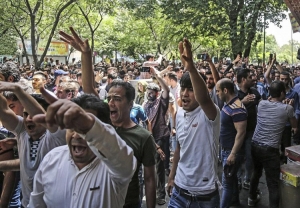
بعد سكوت لأشهر، عمال الأحواز خرجوا بقوة لمطالبة حقوقهم
تموز/يوليو 04, 2020
بعد سكوت لأشهر، عمال الأحواز خرجوا بقوة لمطالبة حقوقهم
السجن و التعذيب و التهديد بالقمع لأي حراك في الأحواز تسبب في فترة الستة اشهر الماضية ليكتفوا عمال الأحواز الذين لم يستلموا رواتبهم بكتابة رسائل هادئة و أحيانًا رسائل تضرع فقط للمسؤولين و المندوبين، لكن العوز و الجوع و الغلاء الفاحش للأسعار دفع بالعمال الأحوازيين الى تقبل الأسواء اخيراً والخروج بمظاهرات صاخبة بدأت قبل اكثر من ثلاثة أسابيع لعمال قصب السكر و امتدت حتى شملت عمال البتروكيماويات و عمال بلدية مدينة كوت عبدالله و عمال بلدية البلدية الثامنة في مدينة الأحواز العاصمة و غيرهم والجميع يطالبون بحقوق متأخرة لهم بين ٣و٦ أشهر، بالإضافة لعدم دفع مستحقات التأمين الإجتماعي لشركة التأمين الحكومية الذي تسبب لتوقف الأطباء و المستشفيات عن تقديم الخدمات لهم و لعوائلهم.
و نظرا لأن النظام منذ سنوات لم يسمح بتوظيف الأحوازيين بصورة رسمية في المؤسسات الحكومية التي يعملون فيها و حولهم لعمال فصليين بعقود موقتة من خلال سماسرة فُرس متعاقدين مع المؤسسات، انتقلوا العمال اليوم بمظاهراتهم مطالبين الجهات الحكومية بإعادة عقودهم الى الدوائر التي يعملون فيها بدل العقود مع المتعاقدين الذين معظمهم من متقاعدي الحرس ألا ثوري والذين يؤخرون عادةً رواتب العمال لأسباب لا تخلوا من المقاصد و النوايا ألا إنسانية و العنصرية. و في ما يخص هذه النقطة بالذات، عمال مصانع قصب السكر و عددهم ٥٧٠٠ عامل، هم يشكلون الماكنة المحركة لهذا الطلب خصوصا حيث معظم العمال العرب في البلديات أعدادهم قليلة في كل بلدية والعاصمة الأحواز مقسمة لعدد من البلديات و ايضا عمال البتروكيماويات و غيرهم تحركوا الى جانب عمال قصب السكر و هذا يعني ان زخم المظاهرات اصبح اكثر تأثيرا.
و مع الظروف الإقتصادية و الغلاء الفاحش الفعلي و عدم امكان السلطات من دفع رواتب العمال و حتمية استمراره و توسعه، اصبح مؤكد ان الاعتصامات والمظاهرات و الاعتراضات ستزداد وستتوسع وهذا يعني تعطيل العمل في كثير من المؤسسات في المستقبل القريب، يضاف لذلك الحالة العصبية و النفسية السائدة وتجذر عدم الرضا بين أوساط الفقراء من العمال و الموظفين الذين هبطت القيمة الشرائية لهم لأكثر من النصف، بدأت علائم الأيام الأولى لأجواء ثورة ١٩٧٩ تظهر في الشارع، و إذا بدأت، لن تطفى نار الثورة إلا بكنس النظام بالكامل.
المركز الاعلامي لجبهة الأحواز الديمقراطية( جاد).
٣/٧/٢٠٢٠
٣/٧/٢٠٢٠
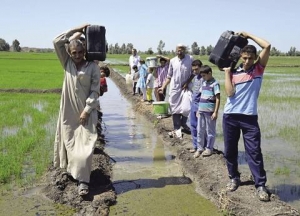
قرى الخلفية تلجأ لمياه الغدران الراكدة لمواجهة العطش
تموز/يوليو 03, 2020
قرى الخلفية تلجأ لمياه الغدران الراكدة لمواجهة العطش
يلجأ سكان القرى في مدينة الخلفية الى استخدام مياه المستنقعات و البِرَك الآسنة للإستخدامات المنزلية كالشرب و الغسيل بعدما تسبب النظام الإيراني في إيجاد مشكلة نقص و شحة المياه في اقليم الاحواز بشكل عام و على حوض نهر الجراحي بشكل خاص ليؤدي الى كوارث بيئية و عطش كبير في مناطق قروية واسعة مدينة الخلفية و المدن المتشاطئة على نهر الجراحي .
يروي مقطع الفيديو المرفق لهذا التقرير معاناة سكان تلك القرى و كيف أنهم مضطرين إلى اتباع وسائل متعبة للحصول على مياه غير صالحة، في وقت تؤكّد تقارير أن شحة المياه والجفاف اللذان يفتكان حالياً بسكان تلك القرى و المدن، يؤديان إلى زيادة معدلات الهجرة والبطالة المقصودة .
ولا يقتصر الوضع على القرى فحسب، بل يمتدّ إلى المدن الكبيرة في اقليم الاحواز، التي تعاني بدورها لتأمين حاجتها من المياه.
في سياق متصل قبل شهرين من كتابة هذا التقرير كانت قرى قضاء الغيزانية أكثر عزماً من غيرها على إيصال صوتها، وقد نظمت احتجاجات على الطرقات الرئيسية وأمام المباني الحكومية و حتّى أن المحتجين قطعوا طرقات رئيسية. ورداً على ذلك، قمعت الحكومة المتظاهرين و استخدمت الطلقات النارية و خلفت بعض الجرحى بين المتظاهرين مما تسببت هذه التحركات باستياء شعبي محلي و اعلامي واسع على مستوى كبير.
في سياق متصل قبل شهرين من كتابة هذا التقرير كانت قرى قضاء الغيزانية أكثر عزماً من غيرها على إيصال صوتها، وقد نظمت احتجاجات على الطرقات الرئيسية وأمام المباني الحكومية و حتّى أن المحتجين قطعوا طرقات رئيسية. ورداً على ذلك، قمعت الحكومة المتظاهرين و استخدمت الطلقات النارية و خلفت بعض الجرحى بين المتظاهرين مما تسببت هذه التحركات باستياء شعبي محلي و اعلامي واسع على مستوى كبير.
يظهر مقطع الفيديو اضطرار سكان قرية "الرويضات السفلى" التابعة لمدينة الخلفية إلى استعمال مياه المستنقعات الناتجة عن الأمطار الخفيفة التي تساقطت خلال فصل الربيع ، للشرب، رغم خطورتها الكبيرة على الصحة. إلّا أن السكان لم يجدوا حلاً آخر غير مياه تلك المستنقعات التي كانت مخصصة للبهائم في السابق.
الجدير بالذكر ان عدد الانهر الدائمية و الموسمية في كل اقليم الاحواز تعد بالعشرات الا ان النظام الايراني في عملية تطهير عرقية ممنهجة منذ ثلاثينيات القرن الماضي قام ببناء عشرات السدود ليجفف الانهر بغية التهجير و تدمير القرى المتشاطئة على النهر هذا بالاضافة الى حرف مجرى الانهر الأخرى و نقل مستويات كبيرة من مياه الانهر الى العمق الفارسي ليضيف بذلك مسألة التغيير البيئي و التصحر الذي تسببت بارتفاع درجات حرارة الاقليم بشكل خطير بالاضافة الى تجفيف المستنقعات المائية والأهوار لغرض الاستكشافات النفطية مما ادرج مدينة الاحواز العاصمة من ضمن اكثر المدن تلوثا و سخونة من ناحية درجات الحرارة على مستوى العالم.
الجدير بالذكر ان عدد الانهر الدائمية و الموسمية في كل اقليم الاحواز تعد بالعشرات الا ان النظام الايراني في عملية تطهير عرقية ممنهجة منذ ثلاثينيات القرن الماضي قام ببناء عشرات السدود ليجفف الانهر بغية التهجير و تدمير القرى المتشاطئة على النهر هذا بالاضافة الى حرف مجرى الانهر الأخرى و نقل مستويات كبيرة من مياه الانهر الى العمق الفارسي ليضيف بذلك مسألة التغيير البيئي و التصحر الذي تسببت بارتفاع درجات حرارة الاقليم بشكل خطير بالاضافة الى تجفيف المستنقعات المائية والأهوار لغرض الاستكشافات النفطية مما ادرج مدينة الاحواز العاصمة من ضمن اكثر المدن تلوثا و سخونة من ناحية درجات الحرارة على مستوى العالم.
المركز الاعلامي لجبهة الاحواز الديمقراطية
١/٧/٢٠٢٠
رسالة مفتوحة إلى وجهاء الأحواز وأجوادها وعشائرها وإلى شباب الوطن عموما
تموز/يوليو 03, 2020
بسم الله الرحمن الرحيم
رسالة مفتوحة إلى وجهاء الأحواز وأجوادها وعشائرها وإلى شباب الوطن عموما
أحبتنا الكرام وجوه الخير الأجواد في عموم الأحواز وخصوصا في منطقة الخفاجية الباسلة ،
ما حدث قبل أيام من تشنجات مؤسفة وذلك بسبب قتل أحد المواطنين الأحوازيين من قاطني مسير البسيتين وما تبع ذلك من توسيع للإختلاف بين الأخوة قبيلتين احوازيتان بعد تلك العشرة الطيبة التي ناهزت قرون على ارض الوطن ،هذا أمر كان وما يزال ممكن معالجته دون كل هذه التشنجات خصوصا وإن موضوع القتل لا يرتبط بما حدث في بداية الصدام اللفضي بين الطرفين، لكن الأمور ساءت بعد أن أفشل بعض الشباب المتشنج من الطرفين مساعي بعض وجوه الهواشم الكرام وأكارم قبيلة العبيات الأماجد من حل تلك الخلافات.
الأن، مع توسيع الإختلاف الذي لعب فيه الشباب المتهور وغير الفاهمين بالشؤون العشائر والقبائل، خصوصا على التواصل الإجتماعي حسب ما نشاهده جميعا، أصبح مطلوب من وجهاء قبائلنا المحترمين في منطقة الخفاجية التدخل فورا لرفع الإشكاليات وحلها باسرع وقت خدمةً لقضيتنا ومطلوب من شباب الوطن ومنطقة الخفاجية خصوصا أن يتوقفوا عن تأجيج الصراع غير الضروري على التواصل الإجتماعي وينصت الجميع لصوت العقل والتعقل بعد أن اصبح الحل بين الطرفين لا يحتاج أكثر من إجتماع أخوي بينهم بإحترام كل منهما للآخر ويبقى على الهواشم الكرام أن يعالجوا مشكلتهم في أوساط العائلة الواحدة وبالتأكيد أخوتهم العبيات سيمدون لهم يد العون لنسيان ما أحدثه ذلك الشاب من جريمة.
أجوادنا أخيار من قبيلة العبيات الكرام، نذكركم بالشيخ سيلان رحمه الله كان احد الوجهاء ويرجع له عند النزاعات الكبيرة وهو الذي يفرض (فريضة) بين المتخاصمين ويتم قبول ما اقضى به، واليوم عليكم ان لا تتركون الأمور تسير وتنزلق باتجاهات غير مرضية سيكون شعبنا العربي الأحوازي هو الخاسر الأكبر من تلك الاختلافات التي تكلفنا ارواح مواطنينا الافاضل، ونحن ابنائكم في المهجر ندعوكم الى حل الخلاف وتفادي الخسائر في الارواح والممتلكات ونحن على يقين انكم قادرين على حل اكبر الخلافات البينية التي تفرح اعدائنا ومحتلي ارضنا في الدرجة الأولى .
أما دعوتنا لشبابنا الأماجد المنتمين للطرفين، أنتم تعرفون أن هناك جهات متربصة بنا كشعب عربي احوازي وهذه الجهات تتصيد في الماء العكر وتغذي مثل هذه النزاعات بين قبائلنا وعشائرنا الكرام، فاليوم واجبكم ان تمنعوا أي مغرض يريد ان يستغل هذا الخلاف وينشر الضغينة على التواصل الإجتماعي بين أهلكم وعليكم أن تحافظوا على وحدة شعبكم وتقوية اللحمة الوطنية وردع الفتن التي يشعلها العدو الايراني بين الفينة والاخرى بين قبائلنا بهدف تضعيف اللحمة الوطنية فيما بينكم، ونطالب الوجهاء والشباب الواعي ان يتحركوا باسرع وقت ممكن لوضع حد للخلاف الحاصل ولا ينسوا وصية الشهداء والاسرى في الوحدة و مواجهة الاحتلال الايرانيى الذي يقتل كل ابناء الاحواز وهناك الكثيرون المحكومون بالإعدام بسبب دفاعهم عن الوطن و غوافل من الأسرى في زنزانات الاحتلال االفارسي يعذبون يوميا و على كه يكون واجبنا جميعا فرض المصالحة الوطنية على المتخاصمين خدمةً لوطننا وشعبنا المضطهد.
ونختم رسالتنا هذه بقول الله سبحانه وتعالى، ... وَلَا تَنَازَعُوا فَتَفْشَلُوا وَتَذْهَبَ رِيحُكُمْ ۖ وَاصْبِرُوا ۚ إِنَّ اللَّهَ مَعَ الصَّابِرِينَ (46)
صدق الله العظيم
ونختم رسالتنا هذه بقول الله سبحانه وتعالى، ... وَلَا تَنَازَعُوا فَتَفْشَلُوا وَتَذْهَبَ رِيحُكُمْ ۖ وَاصْبِرُوا ۚ إِنَّ اللَّهَ مَعَ الصَّابِرِينَ (46)
صدق الله العظيم
المجلس الوطني لقوى الثورة الأحوازية
ا/۷/۲۰۲۰
ا/۷/۲۰۲۰
كل ارض الأحواز عاشوراء، و كل يوم يقتل حسين آخر!
تموز/يوليو 03, 2020
كل ارض الأحواز عاشوراء، و كل يوم يقتل حسين آخر!
مساءا البارحة التحق شهيد جديد بآلاف شهداء الأحواز، هو رضا الطرفي و هذا القتل تم بعد شهادة أحوازي آخر قبله بيومين في مدينة الرفيع هو محمد الساري.
شهيدنا الساري كان مسلح وفي مطاردتهم له و محاصرته تمكن من قتل ثلاثة من رجال الأمن بينهم ضابط، لكن الشهيد رضا الطرفي من ابناء آخر اسفالت العاصمة و كان يمر من حي كيان آباد ومرة سمع صوت الرصاص خلفه و هو في طريقه لقرية الدغاغلة ولم يحمل سلاح و اضطر ان يهرب بدراجته النارية بعد ما اصابت الرصاصة الأولى، وتم اغتياله دون سبب يذكر بحجة انهم طلبوا منه التوقف و لم يقف لهم.
كل هذه الاغتيالات و الجرائم التي تُرتكب سببها الرئيسي هي العنصرية و الحقد الفارسي الأعمى تجاه الأحوازيين حيث بدأ يتفنن بقتلهم في البيت و في الشارع و في السجن.
المركز الاعلامي لجبهة الأحواز الديمقراطية.
۲۹/۶/۲۰۲۰
۲۹/۶/۲۰۲۰