
عاجل
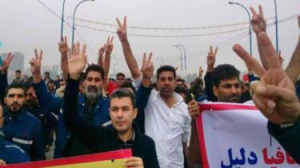
لا حقوق لدى من لا يلبي الحقوق
تشرين1/أكتوير 20, 2021
سنين و تشهد جغرافيا السياسية الإيرانية حراك متنوع في أغلبية المدن ، و هذا الحراك يتمثل بالمظاهرات و الوقفات الاحتجاجية و الإضرابات ، للمعلمين و الكادر التعليمي في الجامعات و الكليات ، الفلاحين ، قطاع الصحة ، عمال البلديات ، المتقاعدين ، العمال في معظم القطاعات الاقتصادية ، الخدمية و الصناعية الحكومية منها و
الخاصة ، إضرابات سائقو الشاحنات ، المغبونين الذين تم الاختلاس و الاستيلاء على أرصدتهم في البنوك الحكومية و الخاصة ، و ناهيك عن الانتفاضات و المظاهرات العارمة المتتالية التي حدثت في السنوات الأخيرة و الدامية ، التي راح ضحيتها المئات من الضحايا الأبرياء و الآلاف من المعتقلين ، ما حدث و يحدث هو بمثابة عصارة نتائج السياسات الخاطئة النابعة و التابعة من أعلى سلم مراتب السلطة الحاكمة ، التي تمثلت بالمزيد من سوء التدبير ، عدم وجود التخطيط المنظم للبرامج الاقتصادية ، الإهمال المتعمد بحق المواطنين ، عمليات الاختلاس الكبرى و بمبالغ ضخمة و الأخطر من كل ذلك ، صرف مليارات الدولارات على البرنامج النووي و الصواريخ الباليستية و ضخ ملايين الدولارات إلى حسابات الأجندات الخارجية في بعض دول المنطقة و بعض الدول البعيدة ، وصولا إلى الدول الأفريقية ، التي أثرت بشكل مباشر على اقتصاد البلاد ، و إتخاذ هكذا سياسات مخلة بالنظام الإقليمي و الدولي ، و محاولات السير في تحقيق الأحلام التوسعية في الدول الأخرى و التهديدات اليومية الموجهة لدول الجوار ، و خلق التوتر في المنطقة ، تسببت بفرض سلسلة من العقوبات الدولية ، و جاءت هذه العقوبات ، لتزيد الطين بلة ، و التي استهدفت الاقتصاد و بالتالي ضعفه و تراجعه الكلي ، و نتيجة لذلك ، تفاقمت الأوضاع المعيشية للمواطنين ، مما أدت إلى الظروف المزرية التي تعاني منها اليوم ، كل شرائح المجتمع .
خيم هذا الوضع الراهن ، إلى ان وصل بالمواطنين أن يشعروا بالتهديد اليومي لحياتهم اليومية و العملية و على كل الصعد . ارتفاع الأسعار لكل المستلزمات الحياتية و غلاء المعيشة و عدم استقرار الأسعار ، ضعف المجالات التعليمية و الخدمية و الصحية و مجالات أخرى ، قلبت حياة المواطنين إلى جحيم لا يطاق ، و كل هذا و ساسة النظام و كأنهم يعيشون خارج نطاق الأرض ، غير مبالين بما يحدث في البلاد و ما يعاني منه المواطن ، عامل كان أو طبيب أو استاذ جامعي أو فلاح ، و بالمقابل و رغم كل هذا القصور المتعمد بحق المواطنين ، أدوات النظام و في كل ظرف معين ، يوجهون سيل تهمهم إلى من ينزل إلى الشارع و هو محتج على الظروف المعيشية و الممارسات الغير إنسانية التي يتلقاها من جانب مسؤولين النظام و من ينتمون إليه ، و في أكثر الأحيان يوجهون السلاح إلى صدور الأبرياء من المتظاهرون العزل و يتعاملون مع أي قضية عادلة بالنار و الحديد و التهديد و الوعيد و المطاردة و الاعتقال و الاغتيال ، محاولين سحق أي حراك شعبي و كتم أفواه و أصوات المعترضين على سياساتهم و ممارساتهم اللا إنسانية .
بعد ما أوصل النظام الإحتلالي ، الشعوب الى هذا الوضع المتدهور و الى كل هذه الويلات و النكبات , و على ضوء الظروف الراهنة ، كل أبناء الشعوب الغير فارسية و حتى أبناء الشعب الفارسي أي الإيراني ، قد وصلوا إلى قناعة تامة ، و هي أن تمسك النظام بالسياسات القائمة و الإستمرار بها و عدم تراجعه عنها ، بالتالي مهما تعالت الأصوات المطالبة بالحقوق المحقة و بقائها في حدودها الطبيعية ، سوف لا تغير من الواقع المرير و المزري ، بشيء ، و عليهم أن يأخذوا و يختاروا طرق أخرى في الكفاح من أجل انتزاع حقوقهم المسلوبة و استرجاع حريتهم المفقودة و حياتهم الكريمة ، مادام هذا النظام لا يعترف و لا يلبي حقوقهم التي سلبها منهم و تركهم أن يعيشوا في أتعس الظروف اليومية ، وهذا هو المطلوب اليوم .
المركز الإعلامي لجبهة الأحواز الديمقراطية (جاد)
١٧/١٠/٢٠٢١
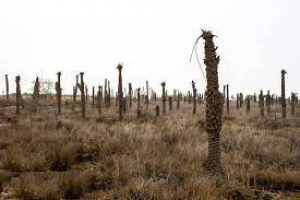
الفلاحية تموت عطشًا
أيلول/سبتمبر 27, 2021
ما بين انتفاضة تموز الباسلة التي اعتقل النظام الآلاف من ابناء الأحواز و قتل العشرات مرورًا بارتفاع ملوحة المياه في نهري الجراحي و كارون تموت مدينة الفلاحية عطشًا، فامتدت الصفوف بعشرات الأمتار من قبل الاحوازيين الذين يبحثون عن مياه الشرب المنقطعة عنهم بسبب ارتفاع ملوحة خزانات المياه التي يتم تنقية و تصفية المياه بها هذا و بالإضافة الى ارتفاع اسعار المياه نفسها و بجودة متدنية ليعاني المواطن العربي من هذه الازمة اضافة الى ما يعانيه من سطوة و بطش النظام الايراني.
يذكر ان آلاف الهكتارات من الاراضي الزراعية في مدينة الفلاحية و ضواحيها تضررت بسبب النقص الحاد في مياه الري بسبب تخزين المياه خلف السدود من قبل دولة الاحتلال الايرانية.
تستمر تلك المعاناة لمدن الاحواز بشكل منتظم حيث نرى هذه السيناريوهات تكرر في مدينة بعد مدينة و المشهد يعيد انتاج نفسه من حالة الى اخرى و كل تلك الاحداث تأتي ضمن مشروع ايراني واضح يبحث عن تحويل الاحواز الى منطقة غير مأهولة للسكن بغية التغيير الديمغرافي في التركيبة السكانية للمواطنين العرب كما تسربت وثائق رسمية واسعة حول مشروع الاحتواء الأمني الشامل للنظام الاحتلالي الايراني في الاحواز لضرب الهوية الوطنية الاحوازية في عدد من المجالات و دفع الشعب الاحوازي ثمن باهض في مقاومته لسياسات الاحتلال الايرانى منذ عام ١٩٢٥ حتى يومنا هذا.
المركز الاعلامي لجبهة الاحواز الديمقراطية
اش
شاهد لمناشدة ماجدة احوازية من الفلاحية
٢٦ سبتمبر ٢٠٢١
المجلس الوطني لقوى الثورة الأحوازية يهنئ المملكة العربية السعودية بيومها الوطن
أيلول/سبتمبر 27, 2021
تحتفل المملكة العربية السعودية باليوم الوطني 91 لتوحيد المملكة في 23 سبتمبر من كل عام، وبهذه المناسبة السعيدة هنأت الهيئة الرئاسية في المجلس الوطني لقوى الثورة الأحوازية خادم الحرمين الشريفين الملك سلمان بن عبدالعزيز آل سعود و ولي العهد صاحب السمو الملكي الأمير محمد بن سلمان بن عبدالعزيز ـ حفظهم الله و الشعب السعودي الشقيق باليوم الوطني السعودي.
وقال السيد عادل ابو حنان الأحوازي مسؤول اللجنة العربية في المجلس إن قيادة المجلس تعبر عن اعتزازها واحترامها إلى المملكة العربية السعودية التي تمثل نموذجا في التنمية والازدهار وتحقيق الإنجازات العملاقة بفضل القيادة الرشيدة وعزيمة أبناء المملكة.
وأضاف عادل الاحوازي ان قيادة المجلس تؤكد على موقفها المبدئي و الدائم و الوقوف مع الأشقاء في المملكة بكل الساحات والميادين لا سيما في حربها مع ميليشيات الحوثي الارهابية مرتزقة ايران ونحن على ثقة تامة بحكمة وقوة المملكة في تصديها لكل المخاطر و التحديات.
وأكد الاحوازي ان الشعب العربي الأحوازي يتطلع دائما أن تكون المملكة العربية السعودية سندا وعونا للأحواز في صراعها المصيري و التاريخي في مواجهة الاحتلال الفارسي و ارجاعها الى الحاضنة العربية دولة حرة مستقلة.
عادل ابو حنان الاحوازي
مسؤول العلاقات العربية لدی
المجلس الوطني لقوى الثورة الأحوازية
23 أيلول 2021
إنعدام الخدمات في مدن الأحواز ينذر بالأمراض والموت المتعمد
أيلول/سبتمبر 25, 2021
مدينة الأحواز العاصمة و المدن الأخرى ، تعاني منذ زمن طويل من عدم وجود شبكات الصرف الصحي ، و لا توجد للٱن أي نوع من البوادر الحقيقية ، تقوم بمعالجة هذا الأمر الهام ، و مع قدوم موسم الأمطار و خاصة في الشتاء ، تتجمع المياه و تتحول شوارع و أزقة المدن الأحوازية إلى برك كبيرة قد تشبه المسابح إن صح التعبير ، هذا ، و ناهيك عن دخول المياه الملوثة و الأوساخ ، إلى البيوت السكنية ، مما تتسبب بإتلاف ممتلكات المواطنين و الخسائر المادية الكبيرة ، تحدث هذه المعضلة و البلاد تعاني من ظاهرة تفشي وباء كورونا بشكل كبير ، مشكلة عدم وجود شبكات الصرف الصحي ، تتكرر كل عام و كأن لا توجد هناك جهة مسؤولة ، تسمى " البلدية " ، تكون معنية بهذا الأمر الحساس و الحيوي و الذي يستهدف حياة المواطنين ، صحيا و ماديا و نفسيا ، و لكن سياسة التهميش و الإهمال المتعمد من جانب السلطات الإيرانية ، تحد من اتخاذ قرارات و إجراءات حقيقية تأتي بحلول جذرية ، و تبقى الأوضاع على هذا الصعيد ، تتفاقم و تستمر مشاكل المواطنين ، دون أي اهتمام من قبل مسؤولين البلديات .
الجدير بالذكر ، بالمقابل و في هذا المجال ، أن جميع المسؤولين و مندوبين البرلمان ، لا يوفون وعودهم التي قطعوها أمام الناس و تبقى وعود كاذبة و مجرد حبر على ورق . كل هذا و بالإضافة على ما ذكر آنفا ، هناك المشكلة الأكبر التي تعاني الأحواز العاصمة ، و هي وجود المصانع و الشركات ، منها شركة النفط و قصب السكر و صلب الحديد ، و مخلفات أو نفايات النووية و الخ ، هي بدورها ألحقت أضرارا بالغة بصحة المواطنين و البيئة و تسببت بعدة أنواع من الأمراض الخطيرة ، كالسرطان ، و ذلك أثر رمي و صب مخلفاتها المضرة في نهرا کارون و الکرخة ، وصولا إلى مياه شط العرب ، و في الأراضي التي تحيط بالمدن و القرى ، علما هذه الشركات و المصانع لا تقوم بتوظيف أبناء الشعب العربي ، الا نادرا ، و تكتفي باستقدام اليد العاملة من المدن الإيرانية المركزية .
#المركز_الإعلامي_لجبهة_
کمبود خدمات در شهرهای اهواز بیماری ها و مرگ عمدی را به تصویر می کشد
أيلول/سبتمبر 25, 2021
شهر اهواز ، پایتخت و دیگر شهرها ، مدتهاست از نبود شبکه فاضلاب رنج می برد و هنوز هیچ نشانه واقعی وجود ندارد ، آنها به این مهم می پردازند و با فرا رسیدن فصل بارندگی ، به ویژه در زمستان ، آب جمع می شود و خیابان ها و کوچه پس کوچه های شهرهای اهوازی منجر به استخرهای بزرگی می شود که ممکن است شبیه استخر باشد ، اگر بخواهید ، این امر ، بدون ذکر آب و آلودگی آلوده به خانه های مسکونی ، باعث خسارت به اموال شهروندان و این معضل رخ می دهد و کشور از پدیده شیوع بیماری همه گیر کرونا در بیگ رنج می برد ، مشکل کمبود شبکه های فاضلاب ، که هر سال تکرار می شود ، گویی هیچ طرف مسئول وجود ندارد ، به نام "شهرداری "، این مربوط به این موضوع حساس و حیاتی است که زندگی شهروندان را از نظر بهداشتی ، مالی و روانی هدف قرار می دهد ، اما سیاست حاشیه نشینی و غفلت بخشی عمدی از مقامات ایرانی است که تصمیمات و اقدامات واقعی را که راه حل های اساسی ارائه می دهد محدود می کند ، و وضعیت در این سطح باقی می ماند و مشکلات شهروندان بدون توجه مقامات شهرداری به شدت افزایش می یابد.
شایان ذکر است ، از سوی دیگر ، و در این راستا ، همه مقامات و نمایندگان مجلس به وعده هایی که به مردم داده اند عمل نمی کنند و وعده های دروغین باقی می مانند و فقط روی کاغذ جوهر می زنند. همه اینها و علاوه بر مواردی که در بالا ذکر شد ، بزرگترین مشکلی است که پایتخت اهواز از آن رنج می برد ، وجود کارخانه ها و شرکت ها ، از جمله شرکت نفت ، نیشکر ، فولاد آهن ، و ضایعات یا ضایعات هسته ای ، و غیره که به نوبه خود صدمات شدیدی به سلامت شهروندان و محیط زیست وارد کرده و چندین نوع بیماری جدی مانند سرطان را در نتیجه پرتاب و ریختن زباله های مضر آن به رودخانه های کارون و کرخه و رسیدن به آب ایجاد کرده است. در شط العرب ، و در سرزمین های اطراف شهرها و روستاها توجه داشته باشید که این شرکت ها و کارخانه ها مردم را استخدام نمی کنند. کشورهای عربی ، به ندرت ، از جذب نیروی کار از شهرهای مرکزی ایران رضایت دارند.
#رسانه_مرکز_اهواز_دموکراتیک #جاد_اهواز
لا أحد يتوقع من المستعمر رحمة، والحل للأحوازيين النضال المستمر
أيلول/سبتمبر 23, 2021
في ظل الزمرة التي تحكم الاحتلال الفارسي منذ ٤٣ عام شعبنا الاحوازي أصبح يعيش كربلاء عدة مرات كل عام بلا توقف ومجزرة خلف مجزرة ومع أنهم تأكدوا أن هذا الشعب وأن توانى أحيانا وانتخب استراحة مقاتل، لكنه لن يتراجع عن مطالبة حقوقه الوطنية على ارضه التى اهدى لها وللحفاظ عليها كل عام مئات الشهداء حتى اصبح صامد وواقف بقوة لا تلين بوجه كل التجاوزات الإستعمارية والإرهابية للمستعمر الذي يعرف ان ضغوطه كلها انقلبت وتنقلب عليه بعد كل جريمة أقوى واشرس، حتى اصبح الجميع في ماتسمى بايران وحتى في الأقليم يعرف انتفاضات شعبنا وجسارة شبابنا وحضورهم الواسع في كل انتفاضة و وصفوا بمتنفس الشارع لكل الشعوب غير الفارسية المحتلة ولم تخرج مظاهرة أحوازية ويتمكن حرس النظام الإرهابي من اخمادها مع انه اُجبر على استقدام مرتزقة من المحافظات المجاورة واحيانا من طهران وحتى من مليشياته اللبنانية واخيرا العراقية ولم يفلح.
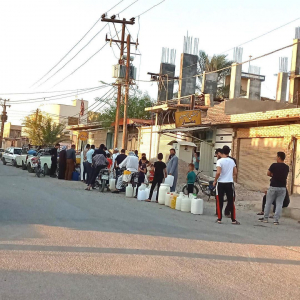
اليوم النظام تجاوز كل العرف الإنساني في العالم وقطع مياه الشرب على أبناء الفلاحية الفيحاء ولم يحرك ساكنا لنقل المياه لهم مع معرفته بحياة الفلاحيين الذين يعيشون بتجمعات كبيرة من المنتمين للعائلة والبيوت مليئة بالإطفال والمسنين الذين بحاجة في شدة حرارة الصيف الى الماء ومقابل عدم تحرك النظام انتقلت الناس لشركات تحلية مياه الخليج الخاصة ليصطفوا بطوابير طويلة للحصول على كم قنينة ماء للشرب وتبقى الحاجات الأخرى مطروحة فعلا ومنها الخروج مرة أخرى بانتفاضة لكن هذا لن يستمر طويلا ولمعرفتنا لشعبنا وابناءنا في الفلاحية وفي كل الأحواز نتوقع انتفاضة تكمل انتفاضة العطش في تموز وهذا مثل ما يكلف شعبنا شهداء وجرحى ومعتقلين، فأنه سوف يكلف النظام اكثر ، ويمكن بتكرار الخروج المكثف ومساندة الشعوب في المحافظات الأخرى نشهد تراجع القوى القمعية التابعة لولي السفيه ستنسحب من الشوارع وتدير سلاحها باتجاه المجموعة الحاكمة من المعممين ومرتزقتهم مثل ما دار السلاح وجهه في ثورة ١٩٧٩، ولا حل غير هذا بقي أمام الأحوازيين.
محمود أحمد الأحوازي
الأربعاء ۲۲/۰۹/۲۰۲۱
 عنوان البريد الإلكتروني هذا محمي من روبوتات السبام. يجب عليك تفعيل الجافاسكربت لرؤيته." /> |
AntwortenWeiterleiten
|
Smuggled Letter From Ahwazi Political Prisoner Jailed at Age 16 Tells of the Horrors of Iranian Prison
أيلول/سبتمبر 23, 2021
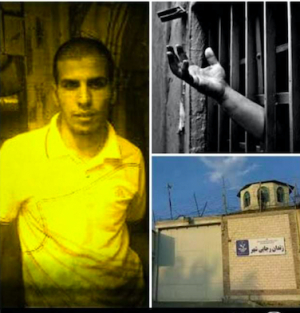
Hamzeh Sawari, an Ahwazi Arab political prisoner detained in the Iranian regime’s Rajai Shahr prison in Karaj, has written a message that was smuggled out of the prison, which has reached human rights organisations. In his letter, Sawari wrote about the horrific conditions in the country’s prisons.
Shedding some light on his experience in prison, Sawari explained that one of the main reasons why prisoners’ conditions have failed to improve is the lack of any monitoring by the regime, which negates its duty of care, along with deliberate denial of healthcare, inhumane treatment, illegal practices, including torture, and violence against prisoners, amid an immunity to accountability for regime officials who know they are more likely to be promoted than punished for engaging in brutal abuse, torture and denying prisoners their most fundamental rights.
The prisoner— serving a life sentence for dissent—wrote in part of his message: “Over the past sixteen years behind bars, I have spent nine months in solitary confinement at the cells of the intelligence headquarters in Shiraz and Ahwaz. I have spent three months in Sheiban Prison. I have spent the past seven years in Rajai Prison in Karaj. I have also served eight years of the sentence in Karun prison in Ahwaz.
“In fact, the eight years I served in Karun Prison were the most difficult. I chose to voluntarily move to Rajai Prison—becoming further away from my family—due to the lack of any human rights for the Ahwazi prisoner who is doubly oppressed away from the media, human rights organisations and the entire world. So I asked officials in this prison – that resembles a haunted garrison – to move me to a jail outside Ahwaz for me to taste some respect or have my most basic demands met, such as receiving medical treatment, not being searched, interrogated, insulted or beaten unjustifiably by the prison’s officials.
“At Karun Prison, I suffered the most brutal physical torture, humiliation and abuse. I was locked up in medieval cells. I have seen several people who share this gruesome fate with me. And I have seen people who had an even more bitter fate — who didn’t survive the torture.
“For those poor prisoners who died under torture, no one has asked how and why they were killed. The ‘crimes’ for which they were tried were all fabricated. Their deaths were attributed to supposed ‘drug overdoses’ — with their cases closed forever.
“After the leak of video footage from Evin prison, a small glimpse into the miserable circumstances in Iranian prisons and the inhumane and illegal treatment of those prisoners by the prison officers was exposed.
“Many political prisoners have mentioned this issue in reports from inside prisons. But the authorities have consistently denied any wrongdoing. In some cases, dual cases are opened against those prisoners [in addition to the original charges against them] — on accusations of defamation and spreading lies against the prison officials. Some prisoners were handed new penalties in those cases.
“But many believe that if this is the situation at Evin Prison—since it is the pioneer among the Iranian prisons in terms of prisoner welfare, given this level of supervision and care in the capital—one can only guess at the tragedies happening in other prisons—especially in cities.
“Based on my experience being locked up in one of those prisons in Ahwaz — in Karun prison — I can confirm that the aforementioned guess is right, and it’s in no way an exaggeration.
“Throughout the decades of the tenure of Karun Prison in Ahwaz — a prison recently closed, joining the history of day-to-day tragedies in Iran — many voices were silenced forever. Many were tortured, humiliated and harassed beyond their already tough penalty. Torture’s harmful stamp not only outlives prisoners but also impacts the lives of their grandchildren for years—like a ghost possessing the victims and haunting them on a daily basis.
“One of those victims was Mohammad Sawari—son of Mahdi. He was a sick prisoner. Instead of receiving treatment, he was literally crucified on the prison fence —with his hands cuffed to it. He was punished under the roasting sun of Ahwaz for long hours. Finally, he died there — standing. After a few days, he was forgotten — as if he had never been there.
“The only benefit of his death was that after it, the jailers no longer crucified prisoners while standing against the fence in the prison’s yard. Instead, they created a new method of torture—tying the hands of prisoners to an iron seat. I have experienced both methods. But Mohammad Sawari—the poor Ahwazi Arab prisoner—died from illness due to his poor physical capabilities. Yet, as is the case with the other prisoners, nobody has been condemned or held accountable for what happened. It’s that simple.
“The tragedy of Karun Prison evolved into multiple other bitter, deplorable and horrific stories. Unfortunately, one article—or even numerous articles– cannot provide room for telling all of them. Therefore, even this piece I am writing cannot provide for an introduction about what I am watching and suffering along with the other Ahwazi prisoners in Karun prison.
“It’s rare to find a prisoner who didn’t sarcastically carve the words of the founder of the Islamic Republic — who once said ‘We should turn the prison into a university’ — on the wall of his cell. In reality, however, circumstances in these prisons have become very harsh. They suffer from extreme living conditions, overcrowdedness, a severe lack of health and medical facilities, inhuman and immoral treatment, unprofessional prison guards—becoming a place for breeding criminals then letting them loose within society.
“Multiple underage children and minors who enter the jail for the first time aren’t professional criminals. But abject poverty, accidental faults, depriving of education, family disintegration, and not having a healthy familial or social environment— for which the government bears responsibility for not taking care of them — lead them to this destiny. As a result, they commit crimes and end up in jail, although there are healthier methods for punishing them other than prison.
“In jail, the impetuous adolescent minor—who is in the stage of receiving education and who could have shown regret for his acts—becomes a professional criminal. The process of breaching the rights of this segment of prisoners begins as soon as they step into the prison. When they enter the dungeon, beatings, verbal and physical abuse and humiliation start, they are stripped of their clothes forcibly — degrading their dignity and character.
“In fact, as soon as they’re admitted to prison, the prisoner usher in a bitter struggle for survival. In order to live in an inhuman prison, they bury their human feelings to adapt to the tough nature of the jail. Hence, affections and emotions like love, sympathy, mercy and peace are replaced with rage, resentment, hate and endless fear.
“After years of languishing behind bars, many people—despite appearing normal and having normal attitudes—need years to get back to normal. Despite all the mistreatment and humiliation they endure, they retain some sense of humanity, morality and decency. While in prison, they always engage in brawls and tense verbal exchanges—hurling barrages of verbal insults and obscene remarks at each other. They get beaten by correctional officers—who mercilessly use batons. Finally, they end up in dirty solitary confinement cells—leading this little window of humanity, morality and decency to close.
“Most people are normal when they enter the jail for the first time. But when the sentence they serve ends, and it’s time to be set free, they turn into sick and tainted human beings. While in prison, they learn the ways to commit crimes. So it’s justified that most of them return to jail less than a year after their release. It’s a vicious cycle. They cannot find their way outside prison, so they end up in it. And when they get out of it, they cannot find their way either — returning to it again.
“Inflicting revenge, humiliation, and other cruel forms of punishment has never been the way to correct and rehabilitate prisoners’ behaviour in any part of the world.
“The humiliating punishments include exhibiting detainees on the streets, beating and humiliating them, carrying out executions in public or behind closed doors, torture and solitary confinement, and sometimes daily broadcast of footage showing detainees on television. But, on the contrary [ to what these cruel punishments are intended to achieve], harsh treatment has never proven to be a remedy to discourage the prisoners from pursuing their criminal acts when they cannot find their way in society.
“Violent, cruel, and vindictive treatment of prisoners will not only cause society to endure massive material and spiritual costs but will also be costly for the regime itself. Meanwhile, humanising the environment of detention centres and prisons would lead to saving financial resources, as well as making society more secure. For example, there is a report published by a local newspaper during the COVID-19 outbreak entitled, ‘The most humane prisons in the world’, which shed light on the situation of prisoners in Norway. The slogan of the Norway officials was: ‘We took the freedom of these prisoners from them. But we have no right to take their lives from them.’
“The outstanding facilities and very humane conditions of these prisoners and the humane treatment by the correctional officers, who were very few in number compared to the prisoners, has led to a very low percentage of prisoners returning to prison after their release. This was something that many of the governors of the US states also thought about. They visited Norwegian prisons to tour them and learn from them. After their observations, they admitted that although the cost of a prisoner in the United States is a quarter of their counterparts in Norway, in the long run, due to the return of more than half of those released persons to prison in less than two years, the costs in the United States is double that of Norway. When it comes to Norwegian society, meanwhile, it is becoming more secure and free of crime and violence over time.
“Finally, the situation of prisoners in Iran has not changed for decades. Perhaps the most important reasons for this could be the lack of supervision, irresponsibility, and continued denial of prisoners’ humane and legal treatment. If this denial continues, it is unlikely that we will soon see a positive shift in the situation of prisoners in Iran in the near future.
The only worthwhile thing that could happen is that the infamous Karun Prison will be closed without a single case being opened to address and investigate those officials and personnel for their large-scale abuses of the Ahwazi prisoners and holding them accountable. Instead, however, the same staff with the same mindset are transferred with the same Ahwazi prisoners to another notorious prison called Sheiban in Ahwaz, and another sad fate is repeated for Sheiban prisoners, and the cries of the mothers of the prisoners, such as the mother of the Ahwazi political prisoner Seyyed Jaber Alboshoka, resonates outside the prison, but her screams do not reach anywhere. They are not heard by the authorities, which is why two years after the outbreak of Covid 19, Seyyed Jaber Alboshoka, after enduring torture and months of solitary confinement simply to protest the lack of care by prison officials, is still far from his detained younger brother Seyyed Mokhtar Alboshoka who himself is being held in a non-political ward in prison.”
It should be noted, that Seyyed Jaber Alboshoka and his younger brother Seyyed Mokhtar Alboshoka were cultural activists and members of Al-Hiwar Cultural Institute in Khalafia city in Ahwaz. These two brothers, along with the institute’s co-founders such as Mohammad Ali Amouri, Rahman Asakereh(high school chemistry teacher), Hashem Shabani (Arabic teacher at high school), Hadi Rashedi (another chemistry teacher), were arrested for their cultural activities in promoting the Arabic language and celebrating the Arab culture and identity of Ahwazi people by organising festivals.
Among the institute’s other activities which the Iranian regime found intolerable were poetry evenings and donating books to poor and disadvantaged students; in retaliation for these ‘crimes’, the institute’s co-founders were charged with ‘threatening national security, ‘spreading corruption on earth’, and ‘enmity to God’. As a result, Hashem Shabani and Hadi Rashedi were executed in 2013. However, like other Ahwazi political prisoners who met the same grim fate, their bodies have never been returned to their families, nor have their families been told where they’re buried.
Mohammad Ali Amouri, meanwhile, was sentenced to life imprisonment after his sentence was commuted from execution. Jaber and his brother Mokhtar were also informed verbally without receiving any official letter from the court that their execution verdict had been commuted to life in prison. Rahman Asakereh was also sentenced to 20 years in prison and now serving his sentence in exile from Ahwaz and his family in another region of Iran.
As for Hamzeh Sawari whose letter, above, was smuggled out of prison, he was 16 years old when he was arrested on 02 September 2005 along with his elder brother Mohammad Ali who was an English teacher. Mohammad Ali Sawari was executed along with his and Hamzeh’s other brother, Jafar Sawari, on 11 September 2007, in Ahwaz City, while Hamzeh was handed a life sentence. The ‘crime’ of all the brothers was to be involved in Ahwazi activism.
Earlier this week, on Wednesday (15 September), Amnesty International published a report listing 72 cases of prisoners in Iran who died as a result of torture or other ill-treatment or by the lethal use of firearms and tear gas by officials.
While only 13 of the cases listed in the Amnesty report involved Ahwazi Arab prisoners, Ahwazi rights groups have pointed out that the actual number of Ahwazi prisoners who were killed in custody is far higher than the few included on this list.
By Rahim Hamid
https://www.dusc.org/en/articles/10046/
Rahim Hamid is an Ahwazi author, freelance journalist and human rights advocate. He tweets under @Samireza42.
Forgotten by History and the World by Rahim Hamid, Dur Untash Studies Centre
أيلول/سبتمبر 18, 2021
The protests in Iran’s southwestern Khuzestan region have won some international media attention. But coverage has not noted that this region, known to its Arab inhabitants as Ahwaz, had for centuries been an independent emirate before its incorporation into Iran in 1925. This annexation was effected through military force, and with the acquiescence of the Great Powers of the day—principally Britain and Russia. With the US and European Union now attempting to revive the nuclear deal with the Tehran regime, it remains to be seen if the Ahwazi people’s re-emerging aspirations to self-determination will again be betrayed. Rahim Hamid, writing for Canada’s Dur Untash Studies Centre, provides an in-depth analysis.
In order to understand the current tragic situation in Ahwaz, it’s important to understand its long-neglected and airbrushed history of colonialism and occupation. The protests over water shortages now rocking the Arab region, a narrow band running from the Iraqi border down the eastern Gulf coast, have won solidarity from other ethnic minority regions of Iran. They aren’t a new phenomenon, but the latest consequence of decades of Iranian ethnic repression and racism, dating back almost a century.
Many in the international media cite climate change or the Iranian regime’s customary intolerance of dissent as the reasons behind the latest protests roiling Ahwaz. But they show little understanding of the history and complex dynamics of this region, or its relationship to the central Iranian state—whether under the Islamic Republic, the Pahlavi dynasty before it, or the Qajars who preceded them.
Arabistan between rival empires
The Mesopotamian region (modern-day Iraq and southwestern Iran) has been a frontier between the two major empires that existed in some form or another for a least a thousand years—the Turkish or Arab empire to the west and the Persian empire to the east, forming a frontier and buffer zone, politically and militarily, between these rival regional powers.
Throughout much of this history, there was an independent Arab emirate called Arabistan, or Land of the Arabs, which was ruled by a series of tribal dynasties from the 1400s up until 1925. Arabistan was not the only such emirate, with much of contemporary Iran’s coastline consisting of a patchwork of Arab-majority emirates running from the Shatt al-Arab waterway down to as far as Bandar Abbas at the edge of the Strait of Hormuz.
In the first quarter of the 20th century, these emirates were stripped of their autonomy, conquered and annexed one by one as part of Greater Persia by Tehran’s increasingly expansionist rulers. Before the fall of the Emirate of Arabistan in 1925, the Emirate of al-Maraziq, which consisted of what are now the provinces of Hormozegan, Bushsher and Bander Abbas, was annexed by Persia in 1922.
The last emirate holding out against annexation was Arabistan, which managed to maintain a degree of independence by playing Istanbul (Constantinople) and Tehran off one another for centuries.
The discovery of massive oil reserves in Arabistan in 1908 by British prospectors, whose masters in London were keen to build imperial ties with Persia, effectively sealed Arabistan’s fate. Although the then-ruler, Emir Khaz’al bin Jaber al-Kaabi, signed a number of agreements with the British, who vowed to recognize Ahwazi independence and protect Ahwaz from Persian conquest in exchange for his support and access to these resources.
The outbreak of the First World War in 1914 may have helped in changing British calculations; although most of the fighting took place in Europe, the Ottoman and Russian empires were also involved, with the Emirate of Ahwaz becoming one of the contested territories due to its strategic location.
The First World War saw the Ottoman pitted Empire against the British Empire, with the British government deploying troops to Abadan and to the capital of Arabistan, Mohammareh. This military mission was given the strategic objective of securing Ahwaz and seizing control of its oil reserves Accordingly, Emir Khazaal allied with Britain in the hope of securing the Emirate’s independence. Arabistan served as an important base for Britain’s operations during the war.
Emir Khazaal was fully aware that Ahwaz stood between three imperial fires—Britain, the Ottoman Empire, and the Persian state—but probably felt he had no alternative but to ally with the first, because the other two presented immediate threats, as they geographically encroached upon Ahwaz territory. Khazaal cooperated with Britain, hoping that it would support his rule over an independent Emirate of Ahwaz—in the erroneous belief that Britain was the most reliable and trustworthy of the three.
The diaries of Reza Khan, Iran’s rising would-be king, make his intentions clear: “It is necessary to eliminate the prince of Ahwaz, whose rule has lasted for years independently within the boundaries of his emirate as a result of foreign support; Tehran’s government has no authority whatsoever over him.”
Reza Khan became the top commander of Iran’s armed forces in 1921 following a coup that saw Defense Minister Zia’eddin Tabatabaee overthrown. Within a few short years, Reza Khan became prime minister, assuming autocratic rule, and in 1925 proclaiming himself King of Persia. This marked collapse of the Ghajari (Qajar) reign in Persia (Iran), and the beginning of the Pahlavi monarchy.
During this period, Reza Shah sought to balance British and Russian interests in Iran to advance his own power. The Russo-Iranian Treaty of 1921 resulted in full Russian recognition of Persia’s independence, cancelling all previous Persian financial debts to the Soviet Union. Russia’s interests in maintaining friendly political ties with Iran were clearly motivated by the need to have access to warm-water ports in the Arabian Gulf and to counter Britain’s ambitions to control the region’s petroleum resources.
In light of these geopolitical changes, Britain astutely recognized that maintaining and preserving its existing regional interests would require closer political ties with Iran. As a means of achieving this, it sought to strengthen Reza Shah as a bulwark to prevent communist Russia from accessing the Arabian Gulf. At the same time, Britain wanted to dominate Persia to guarantee its own political and economic interests in Persia and the Arabian Gulf region.
Reza Shah seized the opportunity to request that Britain abandon its protection of the Emirate of Ahwaz. Britain acceded to the request, paving the way for the Shah to occupy the Emirate of Ahwaz, with Persian forces murdering Emir Khazaal on April 20, 1925.
Cultural cleansing
Following the occupation of Ahwaz and the deposition and murder of Emir Khazaal, the Arabistan emirate was stripped of any autonomy and officially incorporated into the Iranian state as a province under central government control. In 1936, Arabistan was divided between several Persian provinces. Most of the territory was in Khuzestan, with smaller portions in Ilam, Bushehr and Hormozgan. The effort to eliminate all traces of its Arab heritage and deny the indigenous Arab culture and identity, which has continued up to the present day, began in earnest in the 1930s, with Arabic place names being replaced with Farsi equivalents.
Successive regimes have also resettled large numbers of Ahwazis in other parts of Iran in an effort to change the region’s demographic composition, denying the Ahwazis’ heritage or sovereignty. As part of this profoundly racist policy, ethnically Persian settlers are transferred to the area from other areas of Iran to work in the oil, gas and petrochemical industries. They are given well-paid jobs and housing in specially built settlements, provided with all the services and amenities denied to the local Ahwazi Arab population. These settlements are often created through the razing of Ahwazi villages, whose inhabitants are given no warning and receive no compensation.
While the Middle East is replete with historic examples of territories and populations conquered and peoples forcibly assimilated into new or existing nation-states, the specific circumstances of the Ahwazi Arab people in Iran are harrowing. Successive Iranian regimes have, regardless of ideology, attempted to erase and deny the very history and existence of the Ahwazi people and pretend that they never had an autonomous nation of their own. This policy rests on a deep-rooted anti-Arab prejudice, which has normalized structural racism while propagating a revisionist history in which Persian ethnic supremacy is a core tenet.
Few in the West are aware that Iran’s population is made up of a patchwork of peoples, inclduing several non-Persian minorities—Kurds, Balochis, Azerbaijani Turks, Ahwazi Arabs, Turkmen, and Gilaki Caspians. While ethnic Persians are traditionally held to make up 60% of the population, this figure is increasingly questioned as too high. Some believe the ethnic Persians may themselves now constitute a minority. Similarly, while Iran is majority Shi’a Muslim, other religions are represented in the populace, whose adherents the regime routinely persecutes for their beliefs—Sunnis, Christians, Zoroastrians, Jews, Mandeans, Bahai and Ka’kai (Yarsan).
It is also important to note that the population of almost every Iranian province bordering a neighboring country is made up mostly of citizens of the same ethnicity as those countries, with families often living just across the border from one another. Kurds, Azerbaijanis, Balochis and Ahwazis are primary examples. These minorities are not represented in any way in the power structure of the Iranian state, with the levers of power and most of the economy firmly in the hands of ethnic Persians. Ethnic and religious minorities are actively persecuted and denied any political voice or access to economic power. While the Iranian state has employed different strategies in its dealing with these different communities—being heavy-handed towards Kurds while attempting to co-opt the nomadic Lurs and assimilate them into the ethnic Persian population—the attempt at the outright erasure of the Ahwazi Arab people is unique even by the Iranian state’s standards.
For these reasons, the bid for renewed autonomy and independence amongst the Ahwazi population continues to gain popularity, with a low-level conflict between the region’s Arab inhabitants and the central Iranian state ongoing up to the current day. Although the 1979 Islamic Revolution briefly brought hope that there might be a change for the Ahwazis,the situation for the eight million members of the Ahwazi population has only worsened since then.
The current Iranian regime has maintained Reza Shah’s Persian ethno-nationalism and applied an additional veneer of religiosity in the form of Shi’a fundamentalism. This has further consolidated power in the hands of a specific authoritarian sector of the population, to the exclusion of everyone else.
Various reasons lie behind successive Iranian regimes’ repression of minority communities and their omission from the national identity framework. Primarily these are:
- Most of the population in Iran’s border provinces with neighboring countries share the same ethnicity as the neighboring countries.
- Most of Iran’s resources, including oil, gas and water, are found in these provinces with predominantly ethnic minority populations.
- Iran’s access to the Arabian Gulf and major ports are located in these provinces with predominantly ethnic minority provinces.
Simply put, the Iranian state’s existence depends on maintaining control over its frontier provinces. When it comes to the regime’s disposition towards Ahwazi Arabs, all three of these motives come into play—the Ahwazi Arab homelands contain most of Iran’s oil and gas deposits, and much of the Iranian coastline along the Arabian Gulf. As a result, while regimes have come and gone since 1925, the rulers have always seen the need to negate the existence of the Ahwazi Arab people.
Iranian state’s demographic contradiction
It is a sad irony that if Iran had charted a different course long ago, it could have become a multi-ethnic democracy offering a beacon of hope to the entire region. Instead, however, it has become a leading cause of massive pain and suffering to millions of people across the region, not least the millions of people forced to live under the current regime’s repressive and unrelenting rule.
The Ahwazi national movement is struggling not only for fundamental human rights, but political recognition based on the Ahwazi people’s historic sovereignty, recovering the long-denied freedom and dignity of the Ahwazi people—whether that means an equitably applied form of ethnic federation or outright independence.
The current protests in the Ahwaz region are due in large part to the feeling that, after decades of the Iranian regime attempting to forcibly assimilate the Ahwazi people through the suppression of language, cultural identity and the denial of access to the economy, the regime has opened a new phase in its war against the Ahwazi people, namely the denial of water.
Most Ahwazis now believe that the regime is deliberately damming and diverting the region’s rivers, transferring their waters to ethnically Persian areas of Iran, in order to destroy the Ahwazi people’s ability to survive on their land. The people have seen thousands of acres of farmlands turned to barren desert and their vast marshlands reduced and heavily polluted, with barely any marine life left. The only conclusion left to many is that the Iranian regime is embarking on a renewed strategy of demographic engineering in order to ensure its continued iron grip over a portion of territory vital to its own survival. This is ethnocide by any other name. Even those Western media who do mention the water shortages talk about climate change, but not about the regime’s very deliberate redirection of water resources.
As noted, this is not the first time that Iran’s central government has attempted to forcibly change the demographic character of the ethnic minority regions. For example, in 1963, the Shah’s regime instated “Land Reform” legislation, through which it confiscated more than half of Ahwazis’ agricultural lands, which were turned over to ethnically Persian settlers and military institutions. This led to the mass displacement of tens of thousands of Ahwazis from rural areas of the region.
Moreover, there is strong evidence that the regime is currently orchestrating a new policy to confiscate agricultural lands and displace many of the remaining Ahwazi farmers. A top-secret letter was written by the former Iranian Vice President Seyed Mohammad-Ali Abtahi in 2005 outlined a plan to change the demographic composition of Ahwaz from predominantly Arab to mainly Persian. The leaking of Abtahi’s letter leading to a popular uprising unprecedented in scope, which engulfed the entire Ahwaz region.
Iran has only two navigable rivers—one of which, the Karun River, runs through the length of the Ahwaz region. This river comprises about 33% of Iran’s total water resources. The Iranian regime’s damming of the river upstream has diverted much of its water to ethnically Persian provinces in the country’s interior.
Despite more than 90% of the major oil and gas deposits in Iran being located within the Ahwaz region, the Ahwazi Arabs continue to be one of the poorest, most resource-starved communities in Iran. The Balochi community likely the only one poorer and more disenfranchised than the Ahwazis.
As if these problems were not enough, the Darkhovin Nuclear Power Plant is being built in the Ahwaz region, along the Karun river. The Ahwazi people already suffering from poor health related to pollution and environmental degradation due to Iran’s unregulated petrochemical industry in the region. It is very concerning that the Ahwazi people could now be subjected to radioactive contamination.
After more than a month of protests, the regime’s crackdown on the Ahwazi community is still continuing. Over 2.000 Ahwazi Arab protesters are reported arrested; 12 Ahwazi protesters have been confirmed shot to death so far. The regime has refused to hand over the bodies of the protesters to their families, burying them without notifying their loved ones or telling them where they’re buried. The regime also deployed vast numbers of heavily armed troops, Revolutionary Guard personnel and Basiji militiamen. Even Iraqi paramilitary “Popular Mobilization Forces” have crossed the border to help put down the protest movement. Reports of tanks and armored vehicles in the streets have emerged, despite an attempt by the regime to create a communications and internet blackout in the Ahwaz region.
Widespread protests in solidarity with Ahwaz have also spread to other areas of Iran, with demonstrators taking to the streets and chanting anti-regime slogans in Tabriz, Urmia, and Meshgin Shahr in the predominantly Azeribajani northwest of the country. Minority communities across Iran are developing a heightened sense of their own identity.
The Iranian regime has embarked on a campaign of extrajudicial killings of Ahwazi dissidents abroad, targeting and sometimes successfully assassinating those living in exile in Europe and in North America. Thus, Western powers attempt to negotiate a return to the nuclear deal with the Iranian regime, the question of the West’s commitment to human rights and democracy abroad will be sorely tested when it comes to the Ahwaz question.
If the US and the EU are truly serious about their commitment to these principles, a review of Tehran’s campaign against the Ahwazi community and the other minority communities needs to be part of the negotiations. Demanding a democratic Iran is not a Washington-directed “regime change,” as some Western supporters of the current Iranian regime contend. It is the just demand of communities like the Ahwaz that suffer disproportionately under the current system, which is predicated on structural racism, and ethnic supremacy. Without a consensus on how to provide human, political and economic rights to the Ahwaz people and the other minority communities in Iran, the country’s demographics will be a ticking time-bomb, that could ultimately be the downfall of the current regime in Tehran, long before any meaningful Western intervention can take place.
———
Rahim Hamid is an Ahwazi author, freelance journalist and human rights advocate. He tweets at @Samireza42.
This story and photo first appeared Sept. 15 on the website of the Dur Untash Studies Centre, Toronto.
From our Daily Report:
Iran: protests over water rights in Ahwazi region
CounterVortex, July 21, 2021
Can Iran nuclear deal be salvaged?
CounterVortex, Feb. 15, 2021
See also:
IRAN: A NEW WAVE OF MASS PROTEST
by Frieda Afary, Iranian Progressives in Translation
CounterVortex, July 2021
WEATHER WAR
How Iran’s Regime Uses Floods and Drought as Tools of Ethnic Cleansing
by Rahim Hamid, Dur Untash Studies Centre
CounterVortex, March 2019
—————————-
Reprinted by CounterVortex, Sept. 16, 2021
الشعب الأحوازي و المفاعيل القانونية لحق تقرير المصير الخارجي (٢),في إطار إشكالية مبدأ السلامة الإقليمية للدول في القانون الدولي
أيلول/سبتمبر 18, 2021
مقدمة
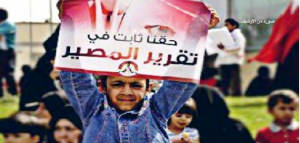
وأما في الدراسة الحالية يتم التركيز على حق تقرير المصير من زاوية القانون الدولي. يُعد حق تقرير المصير أحد الحقوق المتأصلة في فقه القانون الدولي، كمبدأ يعطي شعب ما بممارسة سيادته على إقليمه وحكم نفسه وأرضه. استناداً إلى الحق في التحرر والاستقلال من السلطة الأجنبية، التي تعمل على فرض نظم وقواعد إدارية وقانونية لا تمت للشعب المحكوم بصلة، وتستعين بمؤسساتها وقواعدها القانونية على الأرض والسكان القاطنين بها، كنتاج لفرض ثقافة أجنبية على الشعب مما يخلق نوعًا من عدم الرضا، ما يثير الرغبة لدى الشعب المحتل في المقاومة (١).
ويعبر حق تقرير المصير عن رغبة أي شعب في تقرير مصيره، وتحقيق ذاته كحق إنساني غير قابل للمقايضة أو التخلي، بحيث يحدد كيفية إدارة الشأن العام وسبل الحكم، أو تقرير وسائل الاندماج في كيان آخر قائم، أو كيان موازٍ يقوم مع ذلك الإقليم في ذات الوقت بحيث يشكِّل الاثنان كيانًا مستقلًّا، أو الاستقلال عن الدولة القائمة. بل ويتجاوز حق تقرير المصير، فكرة حق الشعوب المضطهدة، التي تعاني من ويلات التهميش على أرضها، سواء كان التهميش سياسيًّا أم اقتصاديًّا أم إقصاء ثقافيًّا أو دينيًّا أو مذهبيًّا.
ينسب الفقه القانوني حق تقرير المصير إلى ” إعلان استقلال الولايات الأميركية عام ١٧٧٦” ، وترسَّخ في موقف وثيقة حقوق الإنسان الفرنسية عام ١٧٨٩، ثم تمت قوننته كحق أصيل وفق المادة ٥٥ من ميثاق الأمم المتحدة، الذي نصّ في المادة الثانية منه على “إنماء العلاقات الودية بين الأمم على أساس احترام المبدأ الذي يقضي بالتسوية في الحقوق بين الشعوب، وبأن يكون لكل منها حق تقرير مصيرها، وكذلك اتخاذ التدابير الأخرى الملائمة لتعزيز السلم العام” (٢).
أولاً- احتلال الأحواز وحق الشعب الأحوازي في تقرير المصير استناداً للقانون الدولي:
انتشرت دعوات حق تقرير المصير في إطار الدعوات إلى إنهاء وتصفية الإستعمار. فتقرير المصير نابع من معطيات تاريخية وسياسية لإقليم خاضع للاحتلال أو الاستعمار، أو إدارة سلطة أجنبية دون رضا شعب تلك الأرض أو الإقليم غير المتمتع بأي صيغة تعطيه حقوقاً داخلية في إطار الحكم الذاتي، الأمر الذي يقرر لهذا الشعب الحق في المقاومة والكفاح المسلَّح في مواجهة الإقصاء السياسي والاقتصادي والهيمنة الثقافية، وبالتالي عدم قدرة هذا الشعب على إدارة شؤون بلاده، أو السيطرة على أراضه وتنمية تراثه الثقافي والاجتماعي من أجل توفير بيئة صالحة لتنشئة هوية قومية أو غير ذلك. إذ يقوم المستعمر الأجنبي، ذو السلطة الفعلية، بتقييد بإلغاء حق ذلك الشعب في بلورة هويته أو ممارسة معتقداته، أو استقلاله الاجتماعي والاقتصادي، ما يحول دون تطوره السياسي وللاقتصادي، الحال الذي تتولد عنه حالة من الحرمان والتهميش، الذي يشرعن الحق في التعبير عن مظلوميته التي تبدأ من التعبير عن الاحتجاج بشكل سلمي، قبل أن تتدرج في إطارها القانوني إلى استعمال الحق في العنف المشروع والكفاح المسلَّح.
- مقومات الشعب الأحوازي في إطار حق تقرير المصير في القانون الدولي:
يشكل مصطلح تقرير المصير، أحد الوسائل السياسية والقانونية، التي تعطي مجموعة إثنية أو جغرافية، الحق في التعبير عن ذاتها، في إطار إيجاد السبل الكفيلة لحل قضاياها الوطنية الراهنة، استناداً لحقوقها التاريخية، وحقها في تقرير مصيرها. بدءاَ من البدء بالحوار المباشر مع سلطة الاحتلال، أو دفع هذه السلطة إما باللجوء إلى الشعب ليقرر مصيره كمرحلة أولى، وإلا فإنّ المطالبة بالاستقلال ، وإقامة دولة مستقلة، ستكون الملاذ الأخير لهذا الشعب لكي يقرر مصيره.
يتحدد الوضع القانوني لإقليم الأحواز في إطار الحق في تقرير المصير، من خلال امتلاك هذا الشعب لجميع الشروط التي وضعتها مبادئ وقواعد القانون الدولي. وسنضع في إطار ذلك الاشتراطات التي وضعها القانون الدولي، يقابلها القرينة القانونية للحالة الأحوازية:
- الشرط الأول: وجود سكان في إقليم ما محدد جغرافياً، وخاضعاً لسلطة أجنبية: ويعني وجود سلطة أجنبية، وجود سيادة مستلبة لسكان هذا الإقليم، ويضع هذا الشرط في أولوياته أن تكون هناك سلطة مسيطرة على هذا الإقليم مختلفة عن الشعب المقيم به في الهوية والثقافة والتركيب السياسي، بما يعطي قرينة قانونية لوضع حد على ممارسات المحتل كالكبت السياسي، والاستبداد العنصري، والتهميش الهوياتي، الإثني، أو اللغوي، أو الديني، أو المذهبي.
- القرينة القانونية المادية: وتساندها في هذا الخصوص تاريخ الأحواز قبل الاعتراف بفكرة الدولة المعاصرة بعد مؤنمر وستفاليا ١٦٤٨، الذي يحدد الوضع القانوني للسيادة الأحوازية، التي تبدت سياسياً قبل معاهدة قصر شيرين ١٦٣٩، أبان الدولة المشعشعية في الأحواز عام ١٤٣٦، وقبل أن تتأسس الدولة الصفوية سنة ١٥٠١ على يد إسماعيل الصفوي ، حيث أجبرت الدولة المشعشعية الأحوازية الوالي العثماني فِي بغداد على الاعتراف باستقلال الأحواز، والبصرة، و واسط تحت حكمه، متخذاً من مدينة الحويزة عاصمة لدولته. وقد تجلت القرائن القانونية المادية تجلت القرائن المادية أبان تلك المرحلة بسك النقود، و العلاقات الدبلوماسية، والتسمية التي حملت اسم” الدولة المشعشعية العربية”، مايشير إلى استقلالها عروبتها بعيداً عن نزعات التوسع الامبراطوري العثماني والصفوي، واستطاعت في مراحل لاحقة من فرض سيطرتهها على كافة إقليم الأحواز وطرد الجيش الصفوي الفارسي من مدن الأحواز كلها3. وعلى المناطق المجاورة لها، في الوقت الذي لم يكن أي وجود سياسي للدولة الصفوية حينها.
– الشرط الثاني- استحالة العيش المشترك : بسبب اضطهاد السلطة الأجنبية المحتلة للسكان المحليين، ومعاناتهم من التهميش و الاضطهاد بسبب التمييز على أساس عرقي أو ثقافي أو ديني أو مذهبي.
– القرينة القانونية المادية للشعب الأحوازي: بالنظر إلى الحالة الأحوازية، لا يشكل الشعب الأحوازي أقلية، قياساً بتكوينات المجتمع الإيراني وشكل الدولة الإيرانية، التي يمكن وصفها بأنها مجموعات من الشعوب المتجاورة، والمتمايزة في الثقافة و الإثنية، والعادات، والتاريخ، والجغرافيا. فتكوين الدولة الإيرانية الحديثة، جعل من هذه الشعوب، أشبه بالأقليات أو الجماعات المهمشة والمعزولة عن ثقافة الدولة الإيرانية، بل ومحرومة من أبسط حقوق الشعب أو الأقليات أو السكان الأصليين، من تدريس للغة الأم، أو ممارسة الحقوق السياسية.
– الشرط الثالث – توفر الإرادة لدى شعب الإقليم لنيل الاستقلال من الحكم الأجنبي أو المحتل.
– القرينة القانونية المادية للشعب الأحوازي: ويمثلها سيرورة الحراك الثوري التاريخي للشعب الأحوازي، و الرغبة الجماهيرية التي عكستها الثورات والانتفاضات الأحوازية، التي لم تنقطع، ما يعطي دليلاً قانونياً على حق الأحوازيين في تقرير مصيرهم، وبما يؤكد تأكيد فكرة ” الاحتلال الإيراني” وتجاهل حق الأحوازيين في تحرير بلادهم، كحق متأصل في فقه القانون الدولي. وفي هذا الخصوص، سنمر سريعاً للتذكير بهذه الثورات والانتفاضات، التي تحقق شرط توفر الإرادة لدى شعب الإقليم و يمكننا أن نستذكر من هذه الثورات، ثورة الحويزة في عام ١٩٢٨، وثورة بني طرف عام ١٩٣٦، وثورة حيدر بن طلال عام ١٩٤٠، وثورة الغجرية عام ١٩٤٣، وحركة الشيخ عبد الله بن الشيخ خزعل عام ١٩٤٤، وثورة بني طرف وبني كنانة عام ١٩٤٥، وثورة الشيخ مذخور الكعبي عام ١٩٤٦، وثورة عشيرة النصار ١٩٤٦ ، وثورة الشيخ يونس العاصي عام ١٩٤٩، رافق ذلك استمراراً للحراك السياسي لم ينقطع بالتوازي مع الحراك الثوري منذ العام ١٩٤٦ وتأسيس حزب السعادة، وبروز المنظمات والحركات الثورية التي أخذت عاتقها مقاومة مثل “حركة التحرير الوطني الأحوازي”، و”الجبهة العربية لتحرير الأحواز”، وغيرها العديد من المنظمات الثورية الأخرى التي تأثرت بحركات التحرر العربية.
2– حق تقرير المصير في إطار والعهد الدولي لحقوق الإنسان، و قرارات الجمعية العامة للأمم المتحدة:
نص قرار الجمعية العامة للأمم المتحدة رقم ٤٢١ الصادر في ٤/ كانون الأول/١٩٥٠ طلبت الجمعية العامة من لجنة حقوق الإنسان، أن تضع توصيات حول الطرق والوسائل التي تضمن حق تقرير المصير للشعوب، كما نصت في قرارها رقم ٥٤٥ الصادر في ٥/ شباط/١٩٥٢، على ضرورة تضمين الاتفاقية الخاصة بالحقوق المدنية والسياسية والاتفاقية الخاصة بالحقوق الاقتصادية والاجتماعية والثقافية، مادة خاصة تكفل حق الشعوب في تقرير مصيرها. ثم أصدرتْ قرارها رقم ٦٣٧ في ١٦/كانون الثاني/١٩٥٢ ، الذي جعلت بمقتضاه حق الشعوب في تقرير مصيرها، شرطاً ضروريًا للتمتع بالحقوق الأساسية جميعها (٤)، وأنهُ يتوجب على كل عضو في الأمم المتحدة الاحترام والمحافظة على حق تقرير المصير للأمم الأخـرى.
وبالتالي، فقد نتج حق تقرير المصير عن إجماع دولي ، كحق متاح لجميع الشعوب، وهو ما نصت عليه الجمعية العامة للأمم المتحدة في المادة ٢ من القرار رقم ١٥١٤ بقولها: ” لجميع الشعوب الحق في تقرير مصيرها، ولها بمقتضى هذا الحق أن تحدد مركزها السياسي، وتسعى بحرية إلى تحقيق إنمائها الاقتصادي والاجتماعي والثقافي” (٥). كما نصت المادة الأولى من القرار ذاته على ” أن إنكار حق الشعوب في تقرير المصير هو إنكار لحق أساسي” ولم تقل لمبدأ من المبادئ، لذا فإن الحق في تقرير المصير يعد حقًّا من حقوق الإنسان الأساسية التي لا يمكن النيل منها أو التعرض عليها، وبالتالي فإن إخضاع الشعوب لاستعباد الأجنبي وسيطرته واستغلاله يشكل إنكارًا لحقوق الإنسان، ويناقض ميثاق الأمم المتحدة، ويعيق قضية السلم والتعاون العالميين” (٦).
وقد نص العهد الدولي لحقوق الإنسان بشكل صريح مبدأ تقرير المصير، من خلال إعطاء هذا الحق عبر حقوق الإنسان الطبيعية، كحق من الحقوق السياسية والمدنية الأساسية للشعوب بما فيها الحق بملكية ثرواتها وأرضها، حيث تضمَّن أيضاً شروطاً لوجوب تطبيق حق تقرير المصير على أي شعب، وهو ما تضمنته المادة الأولى من العهد الدولي للحقوق المدنية والسياسية بشأن شروط حق تقرير المصير ومنها وجود شعب غير منسجم ثقافيًّا وإثنيًّا، ووجود شعب في إقليم محدد يسكنه المطالبون بحق تقرير المصير، وأنًّ يقوم هذا الشعب بالمطالبة بحق تقرير المصير، و جعله شعارًا ومطلبًا لها على أنه وسيلة للتحرر من الاحتلال.
ولابد من الإشارة، إنّ حق تقرير المصير، يختلف عن الاستفتاء الذي يستهدف الاستقلال عن الدولة القائمة فالاستفتاء من أجل للاستقلال يتم تحت رقابة دولية عبر الأمم المتحدة، فإشراف الأمم المتحدة، رغم عدم إلزاميته، يظل خيارًا يُسرِّع من فرص الاعتراف الدولي وفقًا لقرار الجمعية العامة رقم ٦٣٧ الصادر في ١٦ ديسمبر/كانون الأول لعام ١٩٥٢، الذي نص: ” كمبدأ عالمي، فإن التوصل إلى رغبات الشعوب التي تريد تقرير مصيرها، يتم بواسطة الاستفتاء أو أية وسيلة من وسائل الديمقراطية الأخرى المعترف بها دوليًا، ويُفضَّل أن تتم ممارسته تحت إشراف هيئة الأمم المتحدة” (٧).
ثانياً – بدائل حق تقرير المصير، وصعوبات تطبيقه:
تتراوح المطالبة أو ممارسة حق تقرير المصير – حسب الحالة الراهنة- بين الطرق السلمية، أو الحالة التي تشرعن للشعب اللجوء للعنف المشروع أو المقاومة، وذلك في حال فشل تمكين الشعوب من التعبير عن رغباتها بالوسائل الديمقراطية. وعلى هذا الأساس، فقد توسعت – قانونيًّا- آليات تقرير المصير لتشمل حقوق الإنسان، والشعوب المضطهدة التي تطمح لتقرير مصيرها، حتى ولو لم تكن بخلفية احتلالية، إذ لكل شعب حق مطلق وثابت في تقرير مصيره، وله أن يحدد بحرية وضعه السياسي، وأن يكفل تنميته الاقتصادية والاجتماعية على النحو الذي يختار بمحض إرادته. تماماً كما للشعوب المستعمَرة الحق في التحرر، باللجوء إلى كافة الوسائل التي يعترف بها المجتمع” (٨).
- حق تقرير المصير وثنائية العنف المشروع والعنف المفرط من السلطة الاحتلالية: أصبحت الكثير الدول تجنح نحو قناعات تتعلق بتداعيات حق تقرير المصير في حال وصوله إلى مرحلة الكفاح المسلح المشروع، خصوصاً بسبب منعكسات ذلك على الشعب ذاته، يقابله استعمال العنف المفرط من السلطات الاحتلالية. وبالتالي أصبح بعض فقه القانون الدولي، يرى أن استمرار أعمال الكفاح المسلح بشكل عام أصبح يمثل تهديداً للسلم والأمن الدوليين. وبالتالي تعالت الأصوات نحو إيجاد الحلول السلمية، التي تعتبر صميم اختصاص الأمم المتحدة والمنظمات الإقليمية، من أجل إنهاء الصراعات الاثنية بما يتماشى مع المادة 55 من ميثاق الأمم المتحدة. قابله رد تقرير لجنة خبراء القانون الدولي حول مسألة العنف الذي يصاحب المطالبة بتقرير المصير بأنه “في أغلب الأحيان ليس تأكيد الحق في تقرير المصير من قبل الشعوب المضطهدة هو الذي يقود إلى العنف، بل رفض سلطات الدولة هو الذي يقود إلى نشوب أعمال النزاع المسلح”(٩). لقد تحول حق تقرير المصير تطور إلى وسيلة، يستعملها البعض من أجل تحقيق غايات خاصة، او تصفية حسابات شخصية باسم الدول والأمم ، وباسم حقوق الإنسان . فأصبحت المصطلحات أقوى من العلاقات وواقع الحال والمصالح العليا لكثير من الأمم والشعوب، فارتباط حق تقرير المصير بالحقبة الاستعمارية هو حقيقة علمية لا يمكن التغاضي عنها في القانون الدولي، وبذلك شكل حقا ثابتاً لا يقبل النفي أو الإنكار، ومع تطور مفاهيم حقوق الإنسان في المواثيق والمعاهدات الدولية بفعل التطورات الدولية وبروز الصراعات العرقية والإثنية، وظهور مصطلحات الأقليات والهويات، التي اتخذت أبعاداً يمكن اعتبارها في كثير من الأحيان أبعاداً كيدية، غالباً ما تأخذ غاية مؤداها تفتيت الدول، وتقسيم المقسم، الأمر الذي أصبحت معه ضرورات تحديد حق تقرير المصير، خاصة وأنّ المرحلة المعاصرة، تتسم بالصراعات والنزعات المفتعلة، التي تخفي أبعاداً سياسية لا قانونية (١٠). وهذا ما جعل إرادة القوى العظمى تسري على دول بعينها مثل الحالة السودانية وإندونيسيا، بينما عجزت عن تطبيق حق تقرير المصير في دول أخرى.
- تداعيات استخدام حق تقرير المصير على الأرض، وصعوبات تطبيقه:
تكتنف ممارسة تقرير المصير العديد من المصاعب في التنفيذ على الأرض، فعلى الرغم من أن حق تقرير المصير مُشرَّعٌ في ميثاق الأمم المتحدة، وتعترف به كل إعلانات الأمم المتحدة وقواعد العهد الدولي للحقوق السياسية والمدنية، فإن قواعد القانون الدولي لا تجد سلطة عليا قادرة على إنفاذها على الأرض.
لقد أظهرت جميع التطورات التي رافقت الحق في تقرير كحق ذو صفة إلزامية يستوجب الاعتراف والتأييد والدعم من جميع الدول. وقد دافع القانون الدولي عن ذلك من خلال عدد من القواعد القانونية المقترنة بالحق في تقرير المصير أو المنبثقة عنه، فتدخل الدول الهادف إلى تأخير ممارسة الشعوب المستعمرة لحقها في تقرير المصير، يعتبر مخالفاً لأحكام القانون الدولي، وتحديداً لميثاق الأمم المتحدة بالدرجة الأولى، في حين يشكل التدخل لمساعدة حركات التحرر الوطني عملاً مقبولاً وقانونياً في أحيان كثيرة، واستناداً لهذا الأمر أيضاً أقدم القانون الدولي على تبرير المقاومة الوطنية ضد الاحتلال إذا ثبت أن القوة القائمة بالاحتلال لا تلتزم القواعد العامة، ولا سيما قواعد اتفاقيات جنيف للعام ١٩٤٩، لحماية المدنيين الواقعين تحت هذا الاحتلال. وأن الحق في تقرير المصير أصبح من القواعد الآمرة التي تفرض إلزاميتها القانونية على جميع الدول من دون حاجة إلى تصديق هذه الدول عليها. وبالتالي فأن أي عمل قانوني تقدم عليه الدول منفردة أو أي اتفاق ثنائي تتفق عليه الدول فيما بينها، يجب أن لا يتعارض مع هذه القواعد الآمرة، أما إذا تعارض معها فان هذا العمل أو التعاقد يصبح عرضة للإبطال الفوري (١١).
خاتمة
ذلك لأن النظام الدولي قائم على المصالح الذاتية للدول، فالمطالب على الأرض تفرضها قوة الدولة التي تفرض ذلك بالقوة، إن تقنين الحق في تقرير المصير كحق أساسي من حقوق الإنسان وفق القانون الدولي يترك الأمر معلقًا وغير قابل للإنفاذ، حيث إن النظام الدولي مازال يغضُّ الطرف عن الاحتلالات واستمرار التنكيل والعنف والتهميش والتمييز. وبالتالي قد يصبح حق تقرير المصير أمرًا صعبًا قياساً بمآلاته غير المحسوبة، في ظل غياب تنظيم دولي قادر على ضبط العلاقة بين المطالبة بحق تقرير المصير والاحتلال. إذ اعتبره الرئيس الأميركي الأسبق، ودرو ولسون، “شكلًا بسيطًا مليئًا بالديناميت” (١٢). وبالرغم من اعتباره حقًّا أساسيًّا ضروريًّا لممارسة الشعوب تقرير مصيرها السياسي والاقتصادي، فإن ممارسته ليست سهلة؛ إذ تتخللها مجموعة كبيرة من الاعتبارات الداخلية والإقليمية والدولية، بالإضافة لكون بعض الدول مازالت ترى فيه خرقاً لمبدأ السلامة الإقليمية، الأمر الذي يضع الكثير من الحركات الاستقلالية أمام التكيف والمرونة في استخدام هذا الحق، وتكثيف العمل السياسي والدبلوماسي والقانوني، الذي يمهد للحظة التاريخية التي يمكن اقتناصها للمطالبة بحق تقرير المصير وتطبيقه.
الهوامش
- Sujit Choudhry, Old Imperial Dilemmas and the New Nation- Building: Constitutive Constitutional Politics in Multinational Polities, Berkeley Law Scholarship Repository, Berkeley University, summer 6-1-2005, p. 933
- انظر: الفقرة 2 من المادة 55 من ميثاق الأمم المتحدة.
- انظر:محمد حسين الزبيدي، إمارة المشعشعيين: أقدم إمارة في عربستان، 1982.
- انظر : قرار الجمعية العامة للأمم المتحدة رقم 545 الصادر في 5/ شباط/1952، المتضمن الاتفاقية الخاصة بالحقوق المدنية والسياسية والاتفاقية الخاصة بالحقوق الاقتصادية والاجتماعية والثقافية.
- انظر: قرار الجمعية العامة للأمم المتحدة رقم 637 في 16/كانون الثاني/1952. وقرار الجمعية العامة للأمم المتحدة، المادة 2 من القرار رقم 1514
- اانظر: المادة 1، العهد الدولي الخاص بالحقوق المدنية والسياسية، اعتُمد وعُرض للتوقيع والتصديق والانضمام بموجب قرار الجمعية العامة رقم 220000 (د ـ 21) لسنة 1966
- Jan Klabbers, The Right to be Taken Seriously: Self-Determination in International Law, paper presented in conference on “Self-determination in Transition”, co-organized by the Islamic University of Yogjakarta and Erasmus University Rotterdam, and to an audience at the University of Lund, p. 4
- Report of the International Conference of Experts (1998), p. 10
- قرار الجمعية العامة رقم 1514
- https://www.maghress.com/tinjah/15015
- د. شفيق المصر ي، ” حق تقرير المصير في السياسة والقانون والتطبيق”، بيروت 1997. على الرابط: http://www.ancme.net/studies/16
- ROBERT LANSING, THE PEACE NEGOTIATIONS: A PERSONAL NARRATIVE 97 (1921), quoting from a note he had written in Paris, December 1918. Referenced in Jan Klabbers, opcit. p. 1.
- المصدر
- https://www.dusc.org/ar/drasat/10040/
احواز در مواجهه با کرونا ،
أيلول/سبتمبر 14, 2021
مردم بدانيد در غياب بى اهميتى دولت ، چاره ای جز با رعايت پروتکل های بهداشتی را نداريد.
چند روز است که ما آمار افزایش آسیب ديدگان به كرونا را شنیده ایم و تعداد آنها از هزار نفر در روز فراتر رفته و کشته شدگان بین 500 تا 600 نفر بوده اند.
گزارش شده است که این تعداد مرگ و میر و افراد آلوده بیشترین تعداد از اولین روز ظهور ویروس است
منابع غیر رسمی فاش کردند که اعداد واقعی سه برابر بیشتر از آن چیزی است که دولت اعلام کرده است.
با تمام این صدمات ، قصاب خامنه ای هنوز واردات واکسن های آمریکایی و انگلیسی را ممنوع کرده و اجازه استفاده از واکسن های محلی ، چینی و روسی را فقط داده است.
در حالی که ابراهیم رئیسی ، رئیس جمهوری ایران ، در اولین جلسه با انجمن مبارزه با کرونا در کشور صحبت کرد ، گفت ما از تولید داخلی حمایت می کنیم و همچنین تاکید کرد که کشورش از واردات واکسن از خارج دست نمی کشد.
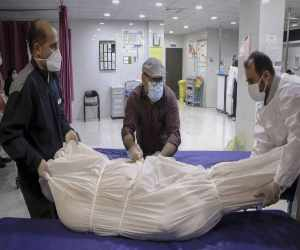
فعالان سایت های شبکه های اجتماعی درباره فیلم ها و تصاویری بحث کردند که نشان می دهد تمام تخت های بیمارستانی احواز پر از بیماران کرونا است و حتی یک تخت خالی وجود ندارد و حتی برخی از آنها در راهروها و پیاده روها پهن شده اند.
با این وضعیت غم انگیز ، رژیم هنوز کمک های پزشکی از سوی نهادهای بشردوستانه برخی کشورها را نمی پذیرد و هیچ راه حلی جز هشدار دادن به مردم ، باقی نمی ماند که اگر پروتکل های صحیح جدی گرفته نشوند ، فاجعه ای رخ می دهد و همه باید پروتکل های بهداشتی بین المللی را با پوشاندن صورت با ماسک و رعایت دقیق فاصلها را رعايت بكنيم
. این تصمیمات باعث شده ﺍﺳﺖ كه نتایج چشمگیری در جزایر جسم (قشم) و جزیره قیس (كيش )به همراه داشت.
احوازی ها ، بدانند كه با پایبندی به قوانین بهداشتى مى توانند از اين فاجعه مرگ اور جلو گيرى كنند .
همانطورى كه مشخص ﺍﺳﺖ مسؤلين دولت ،قصد ندارند واکسن به مردم ارائه دهند و امار نشان مى دهد كه در اقليم احواز تعداد كشته شدگان ما بین 150-200 نفر در روز می رسد و از ان جاى كه هیچ راه حلی برای ما نمانده ،جز اتکا به خودمان مانده كه ان هم رعايت موارد بهداشتى در اين خصوص مى باشد .
مرکز رسانه ای جبهه دموکراتیک احواز (جاد)